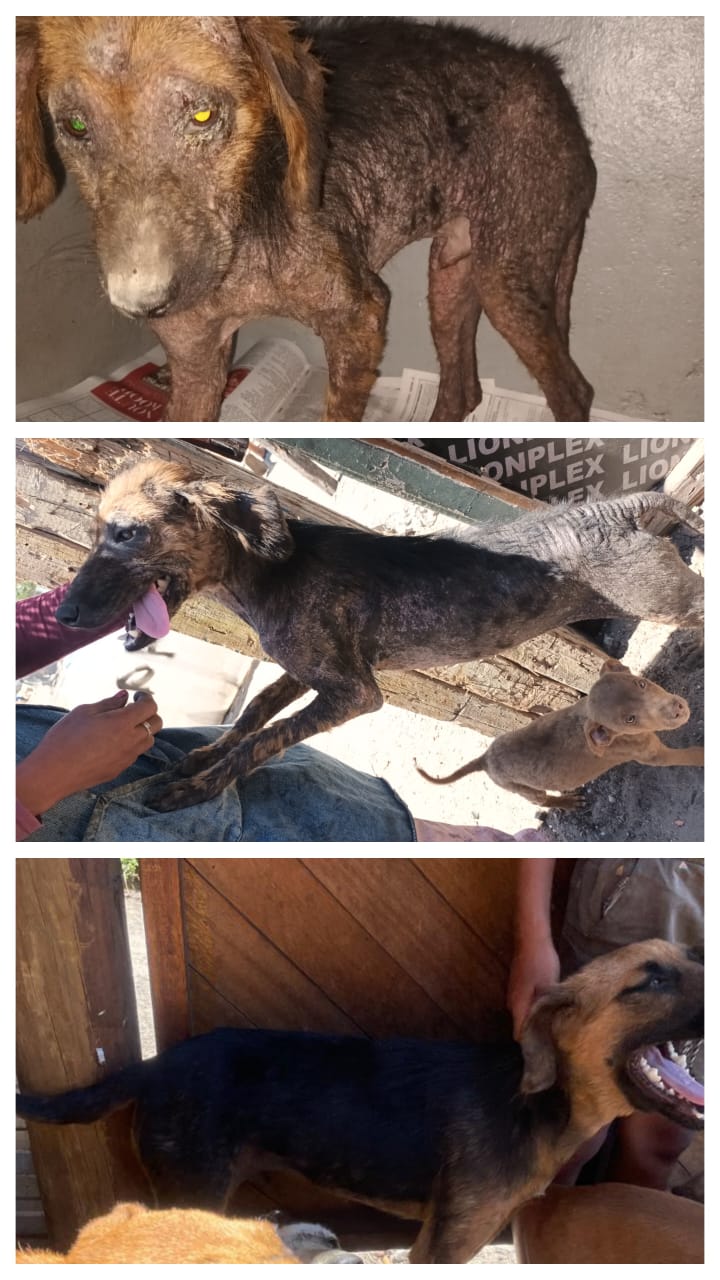
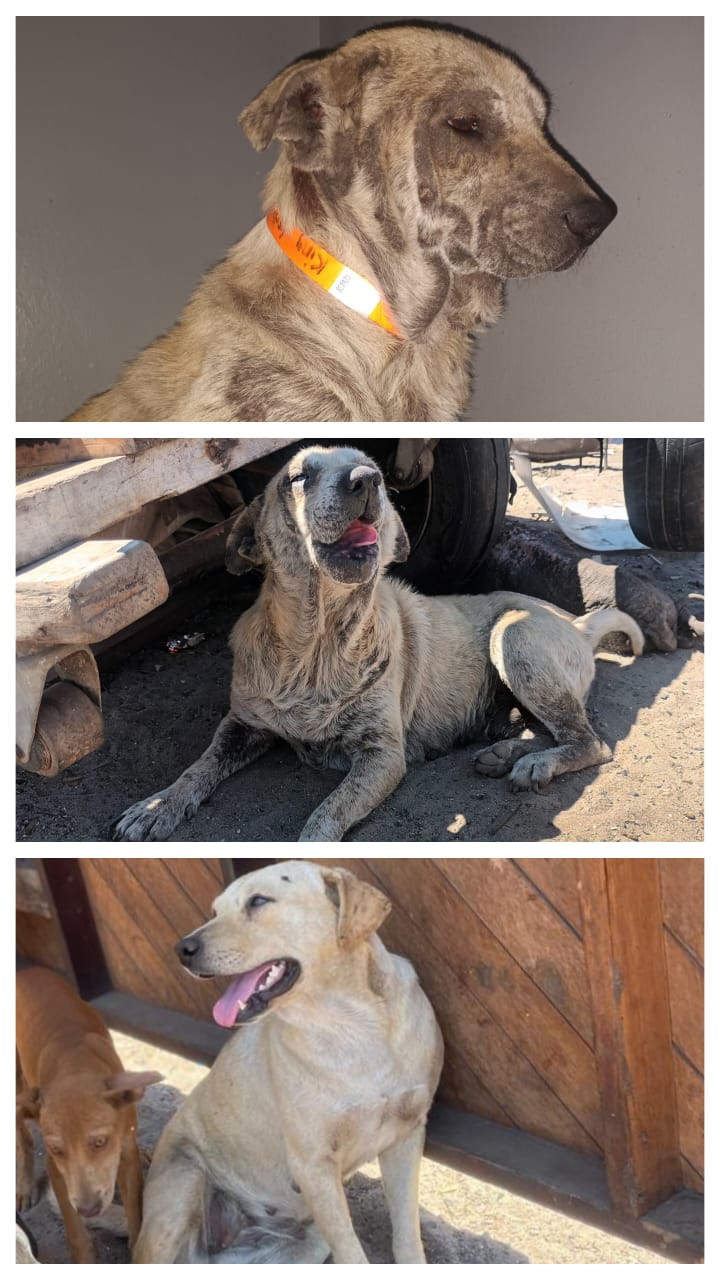
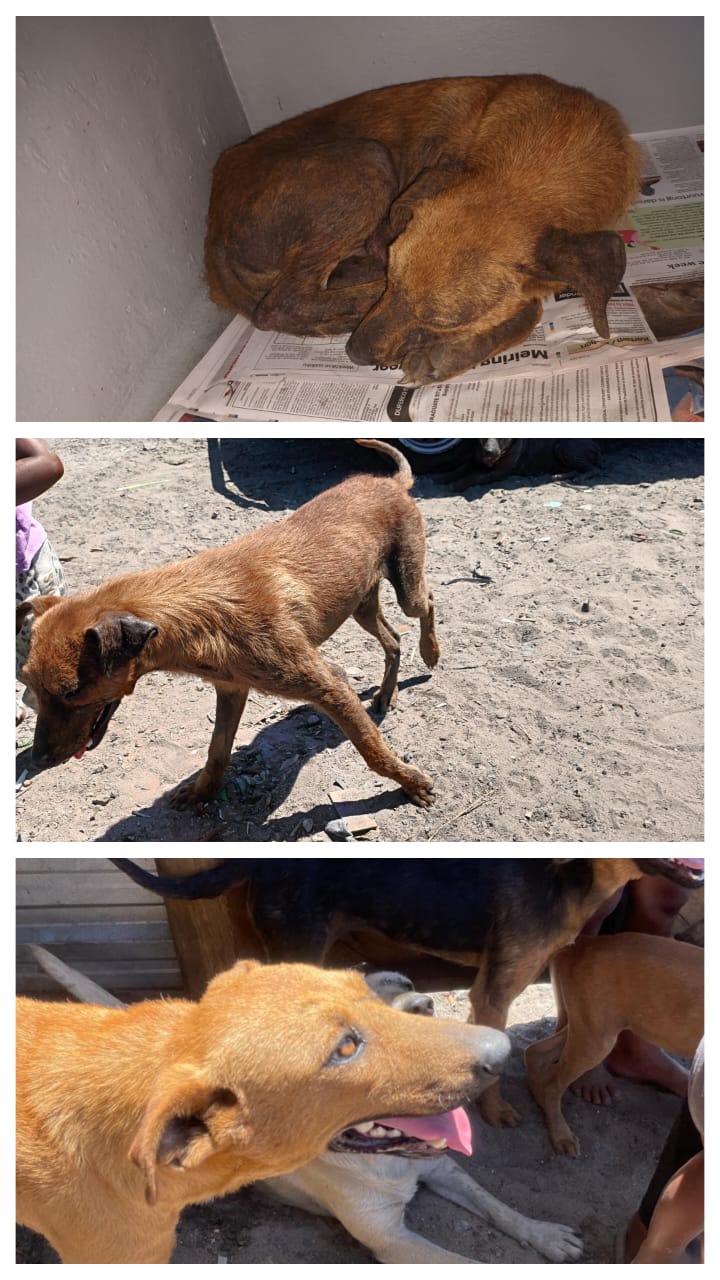
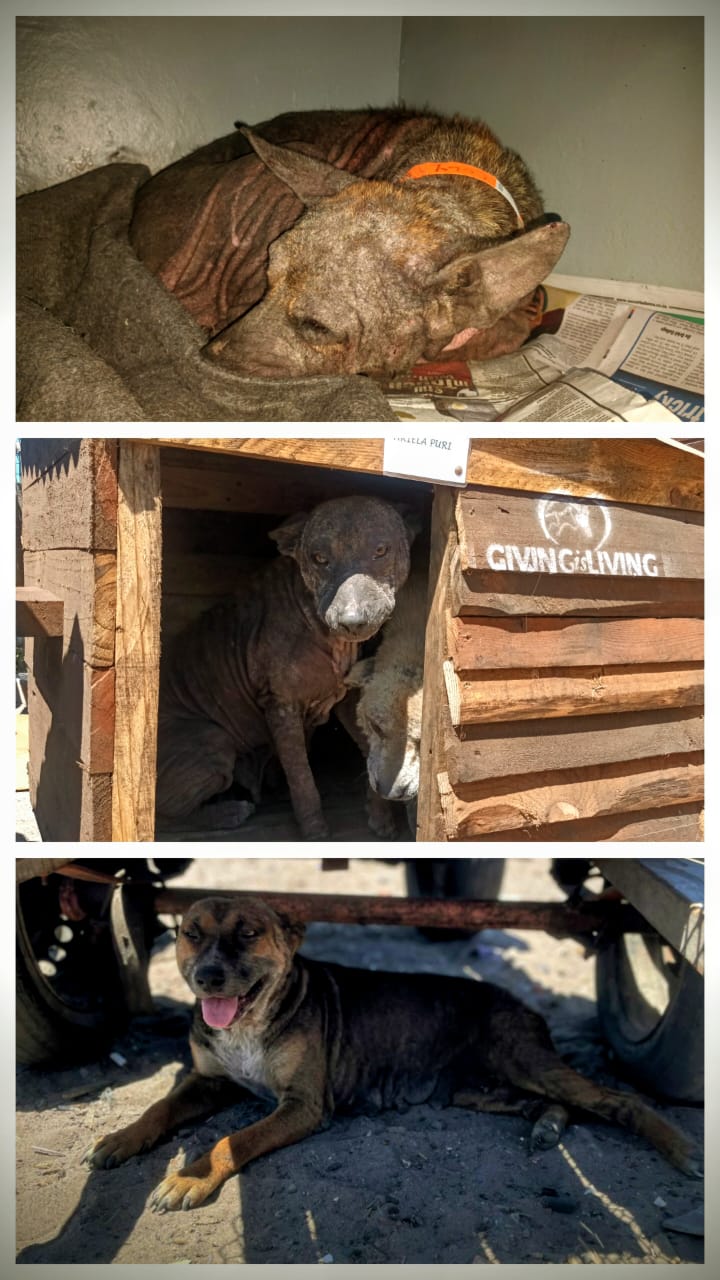
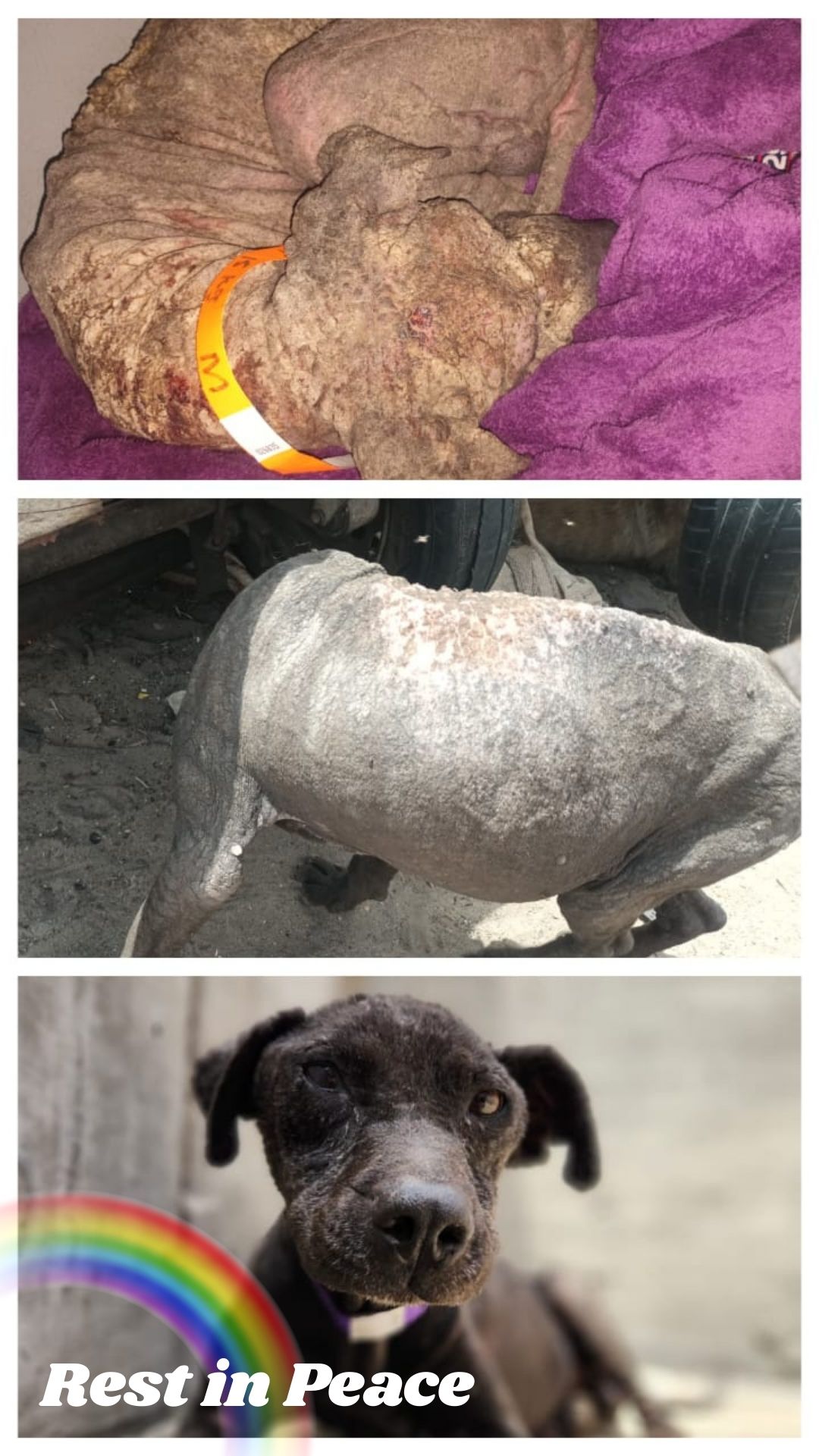
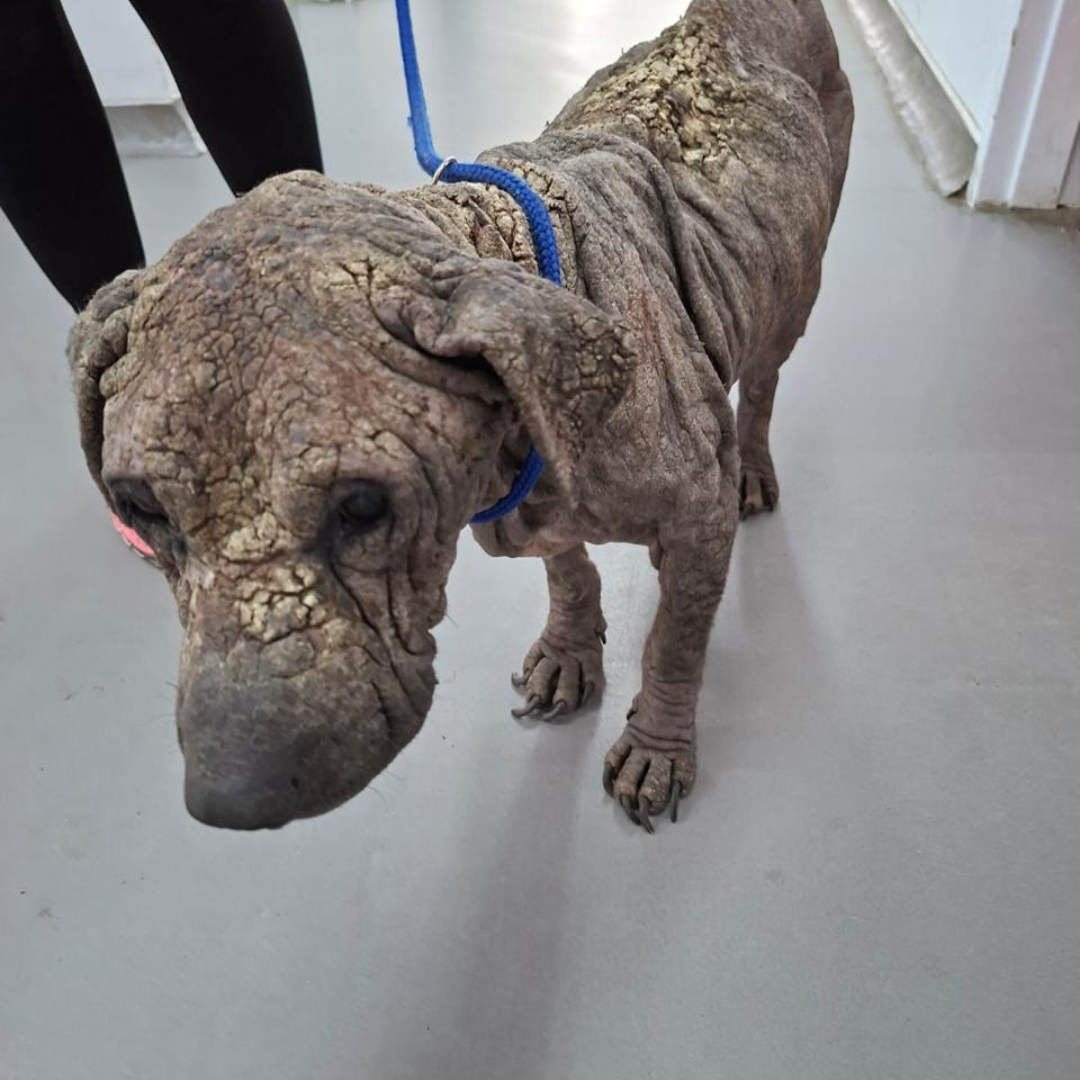
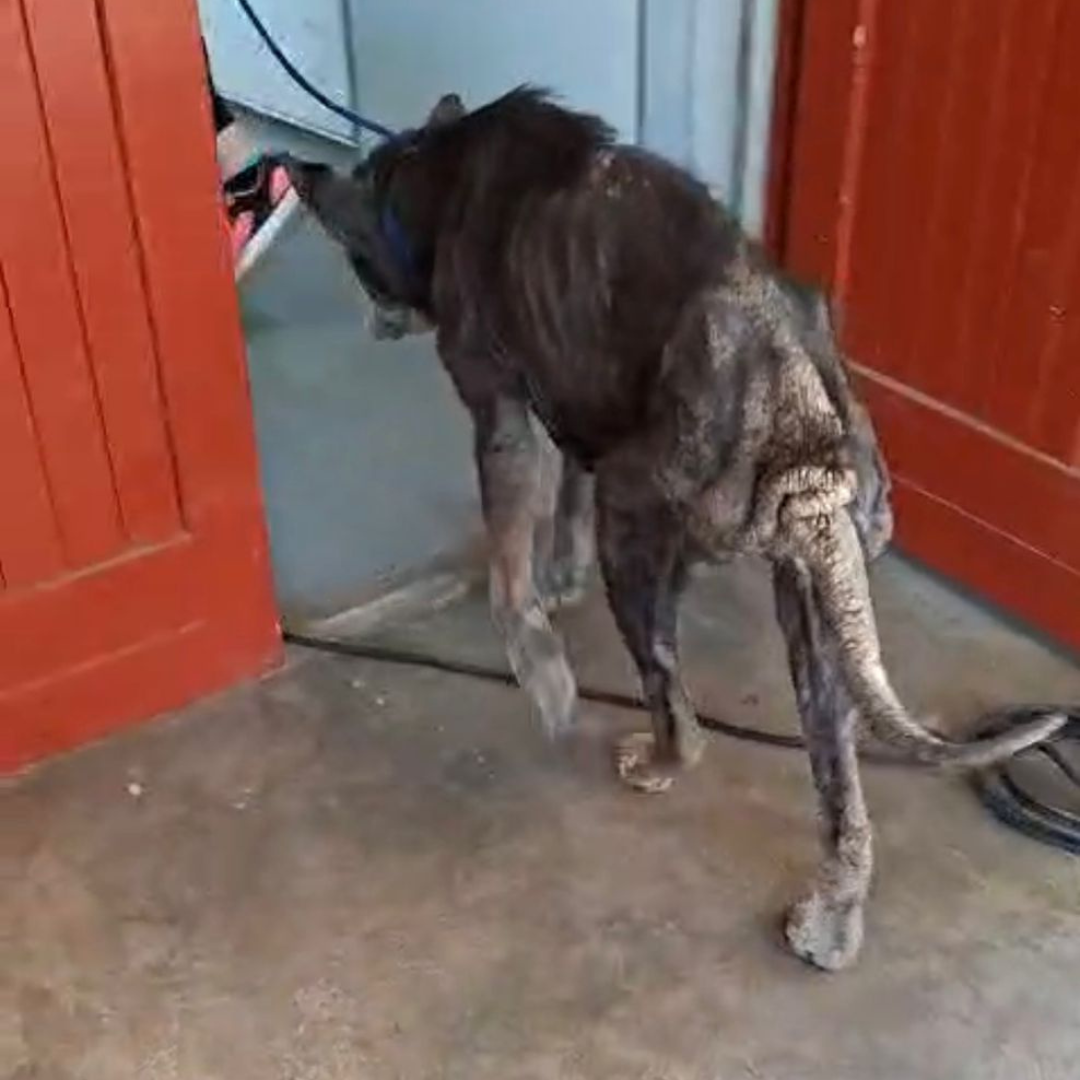
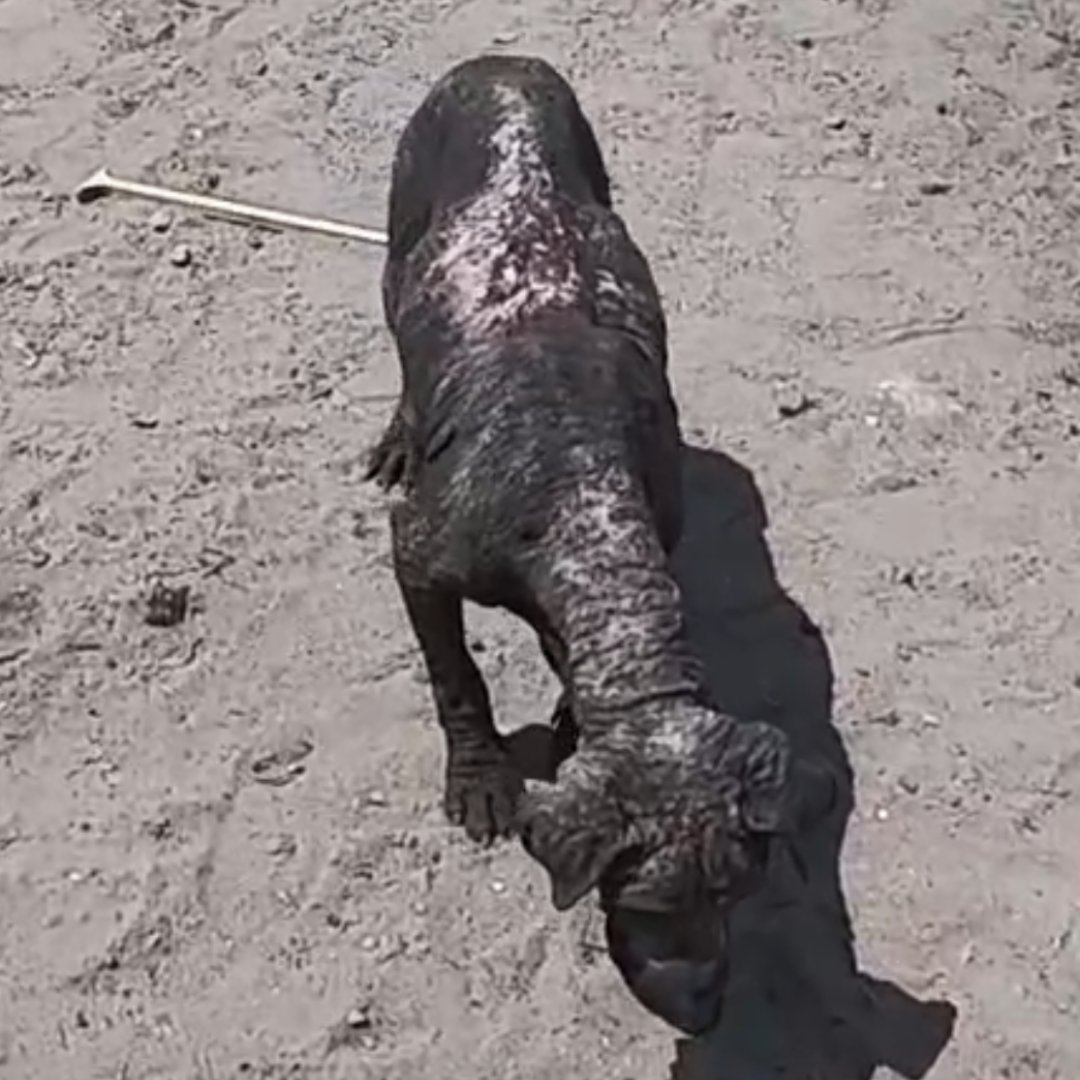
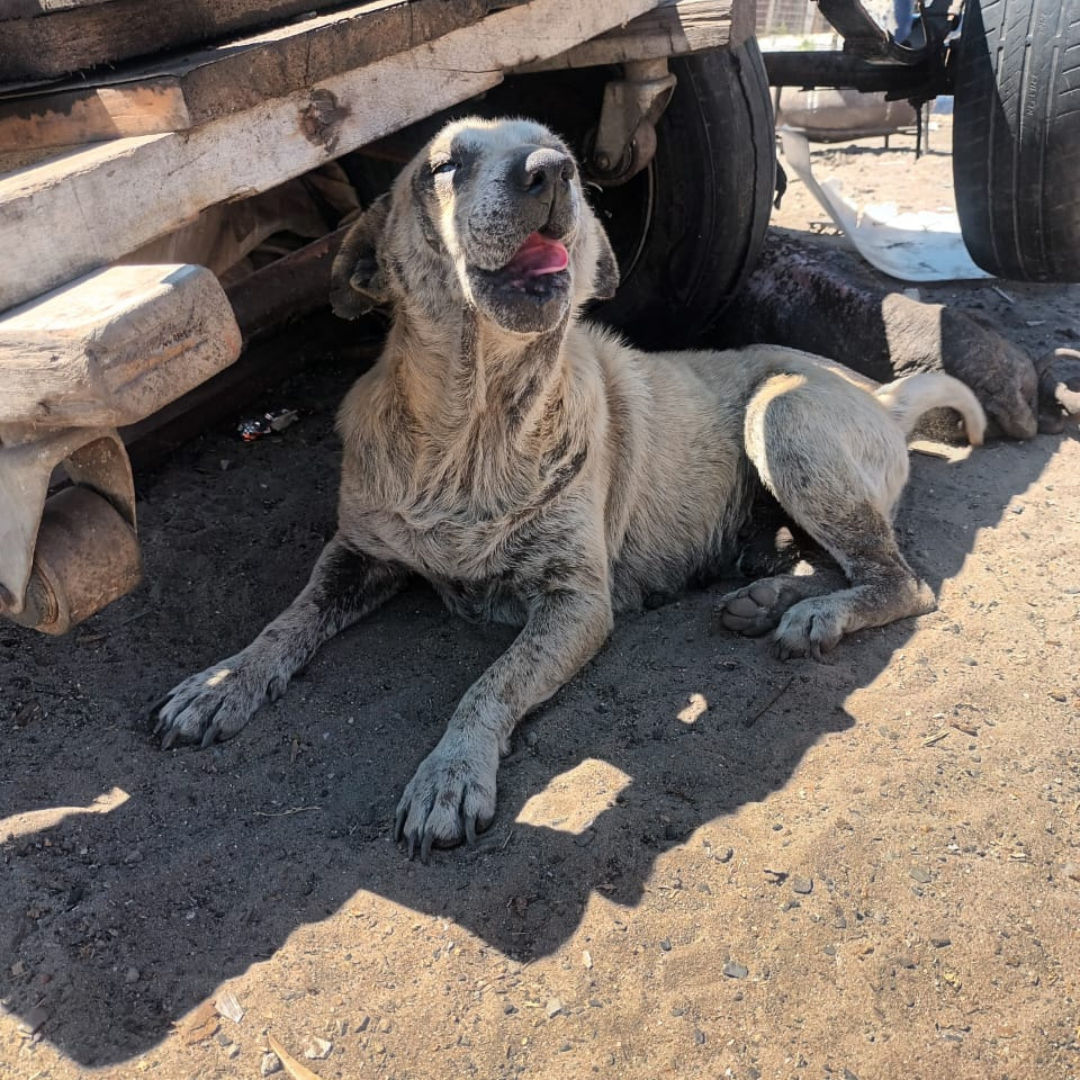
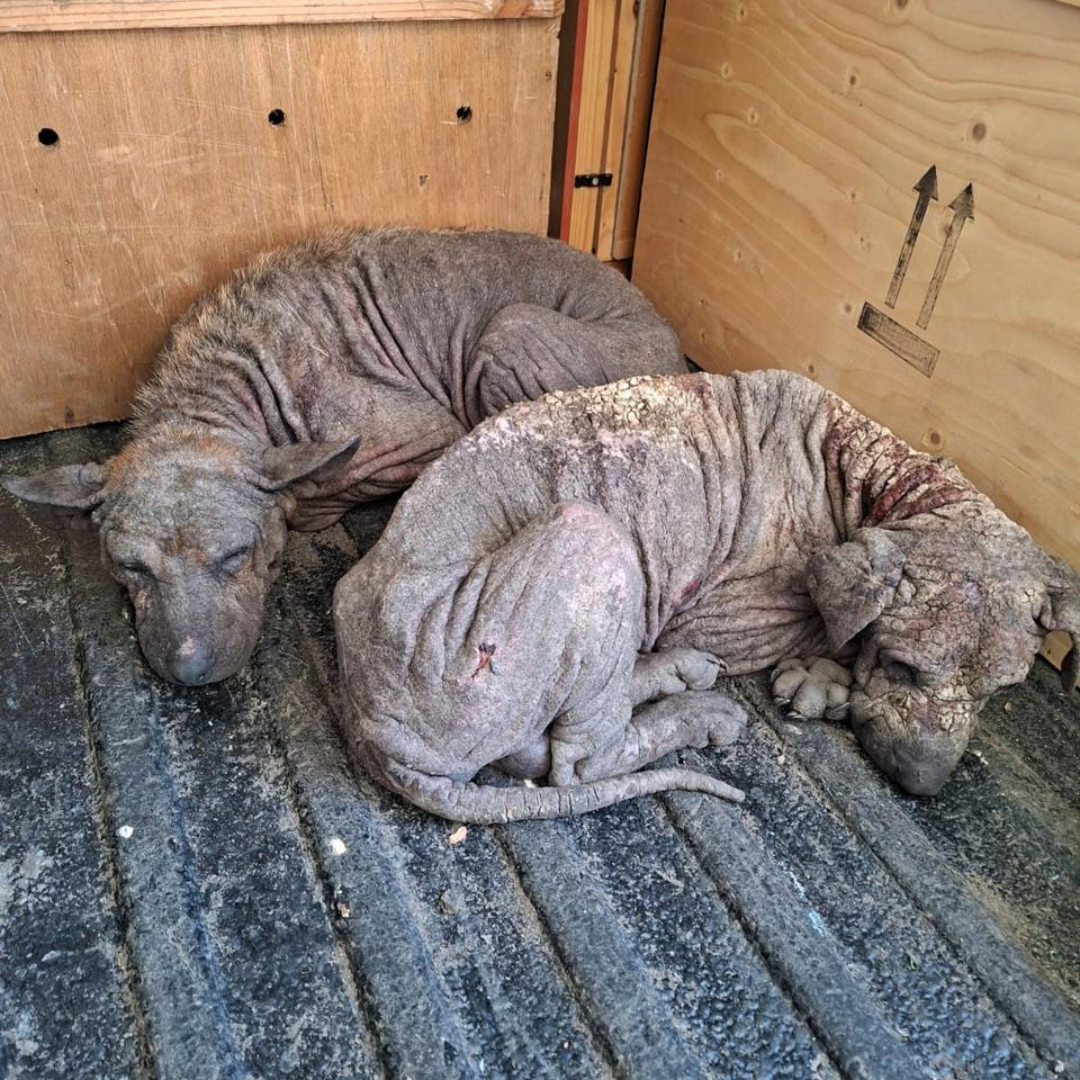
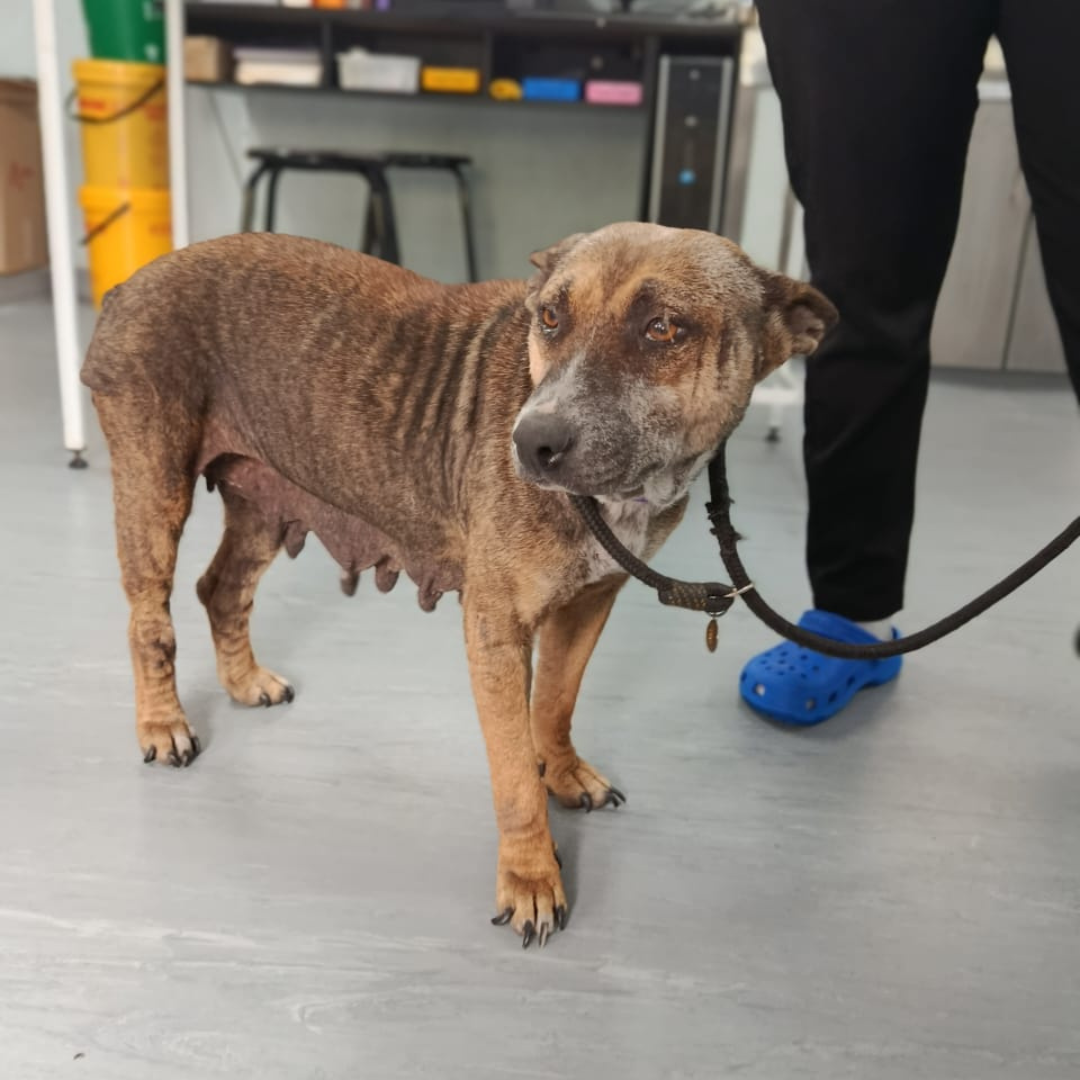
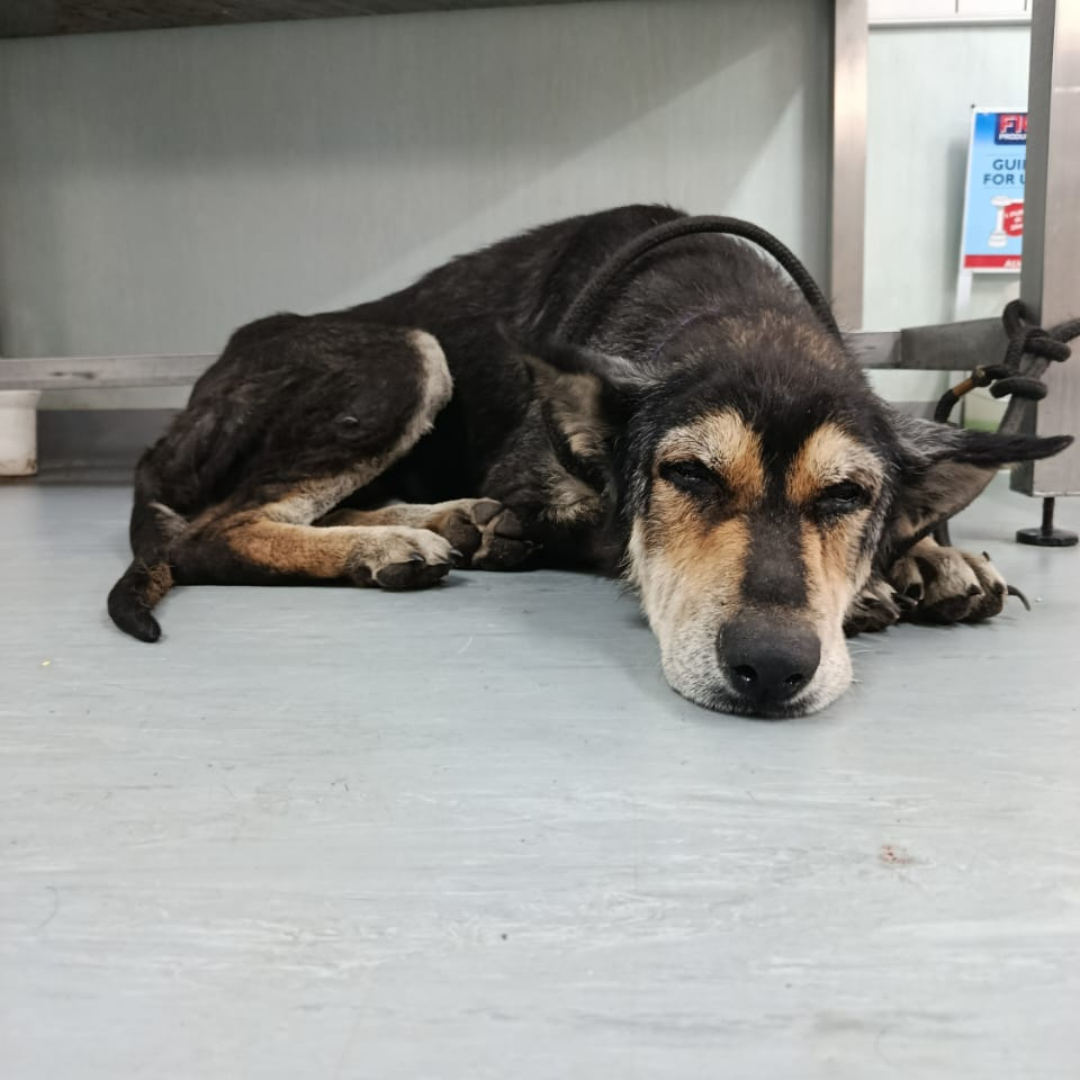
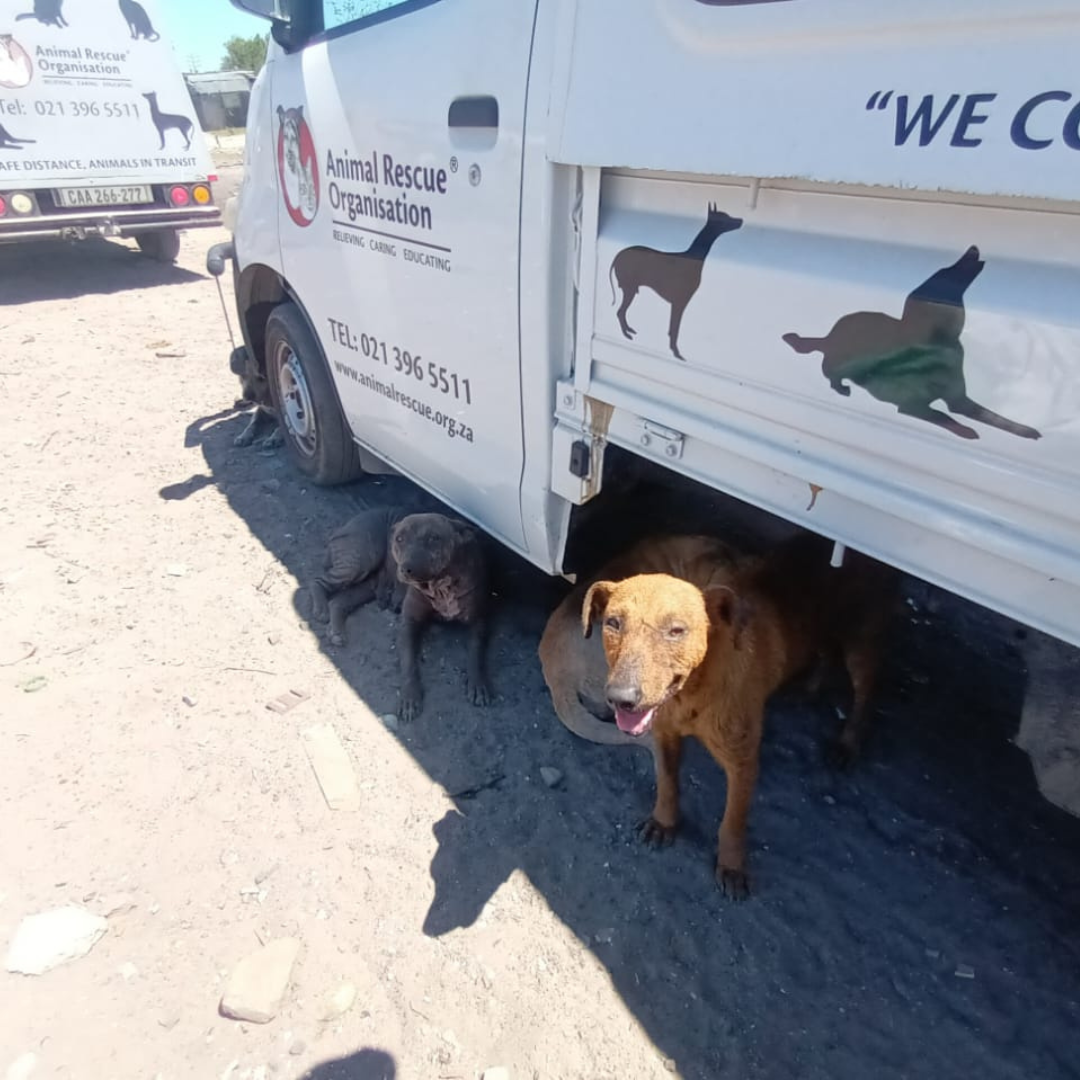
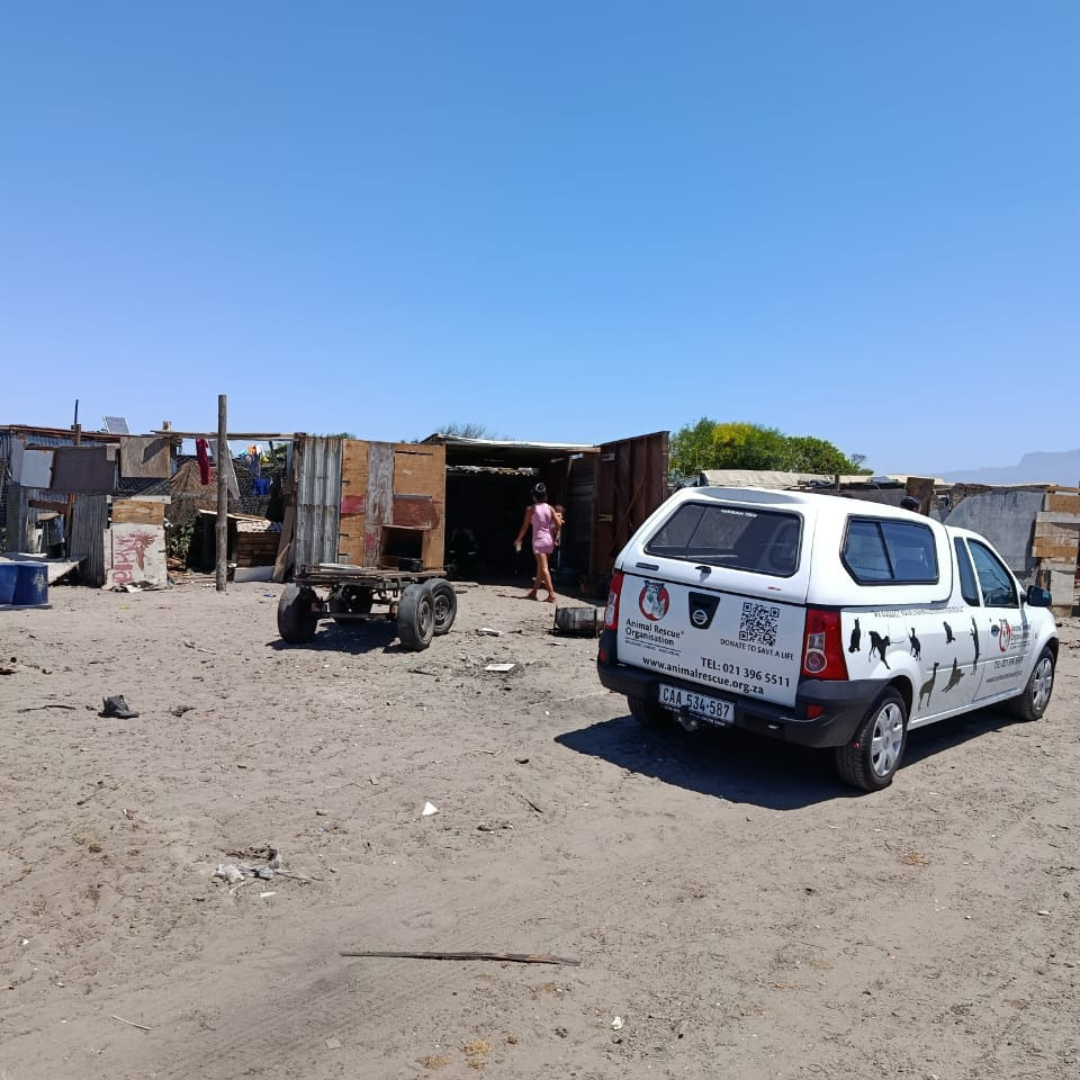
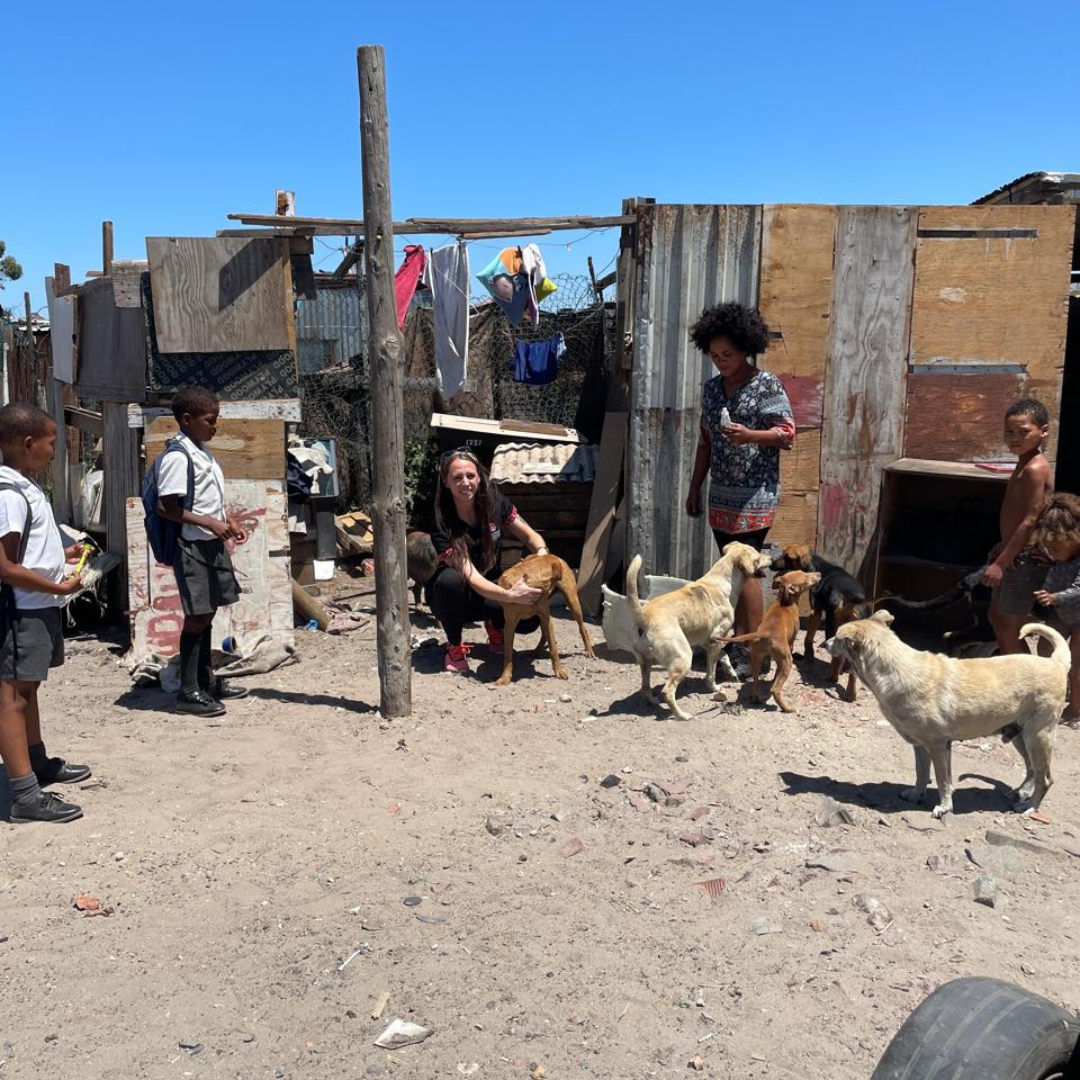
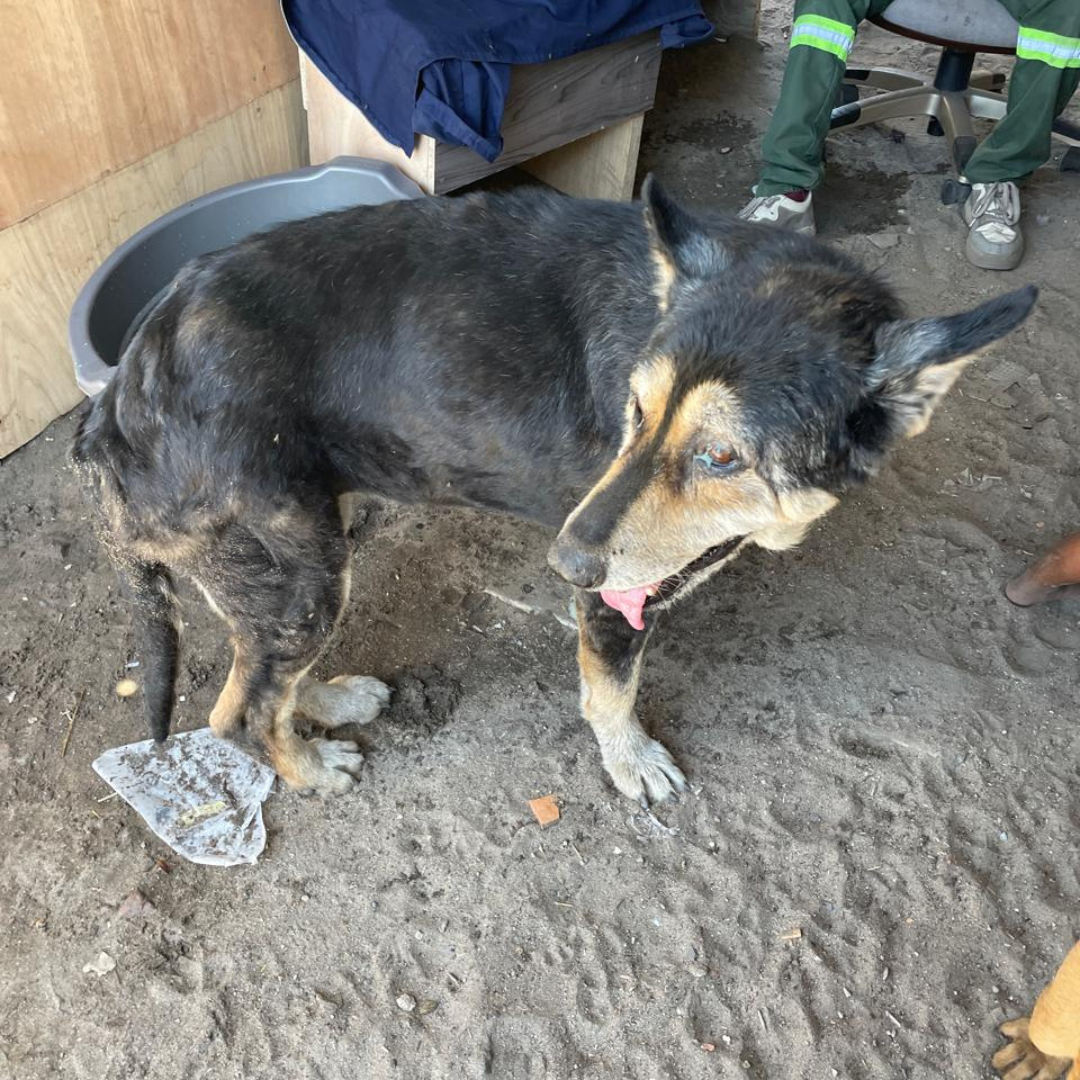
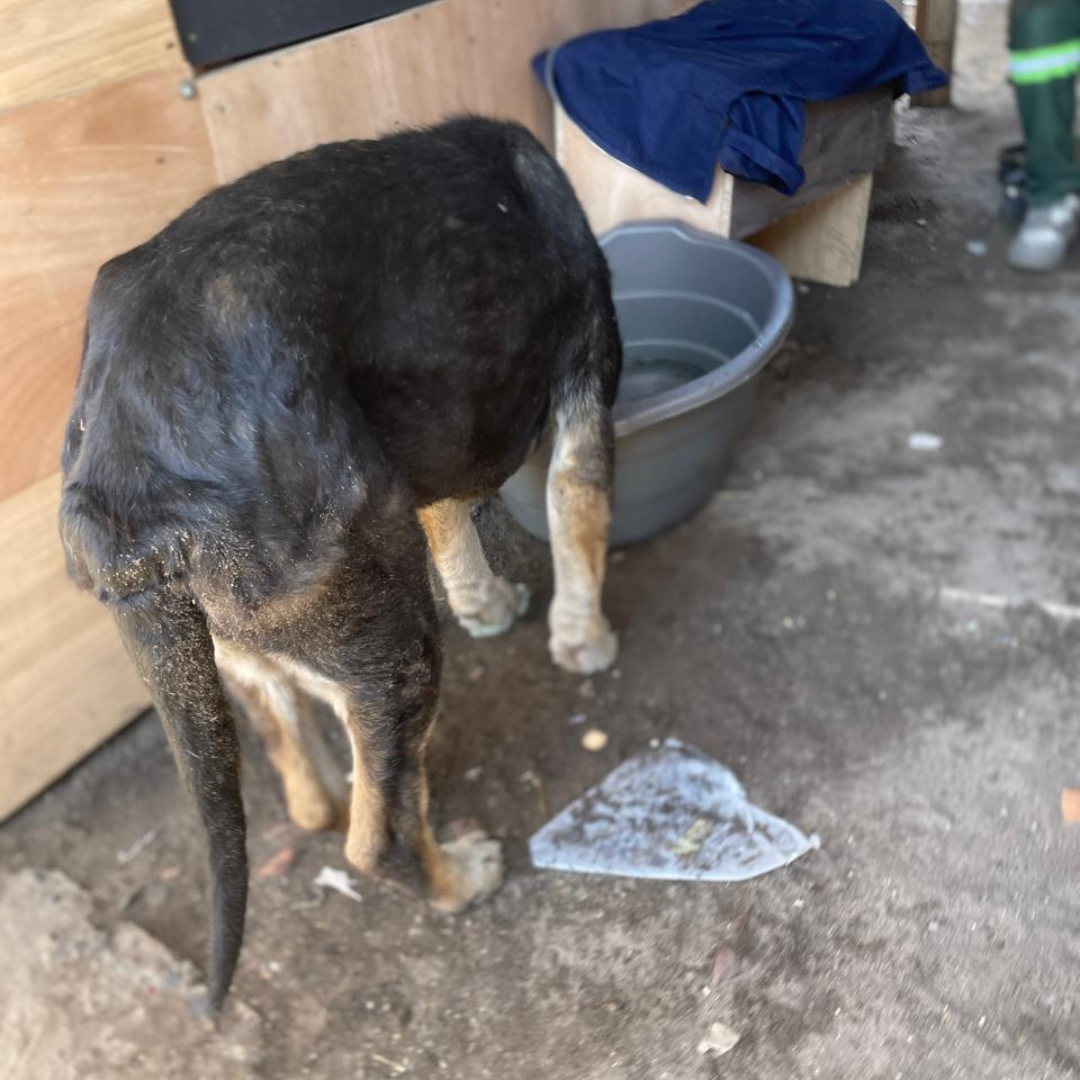
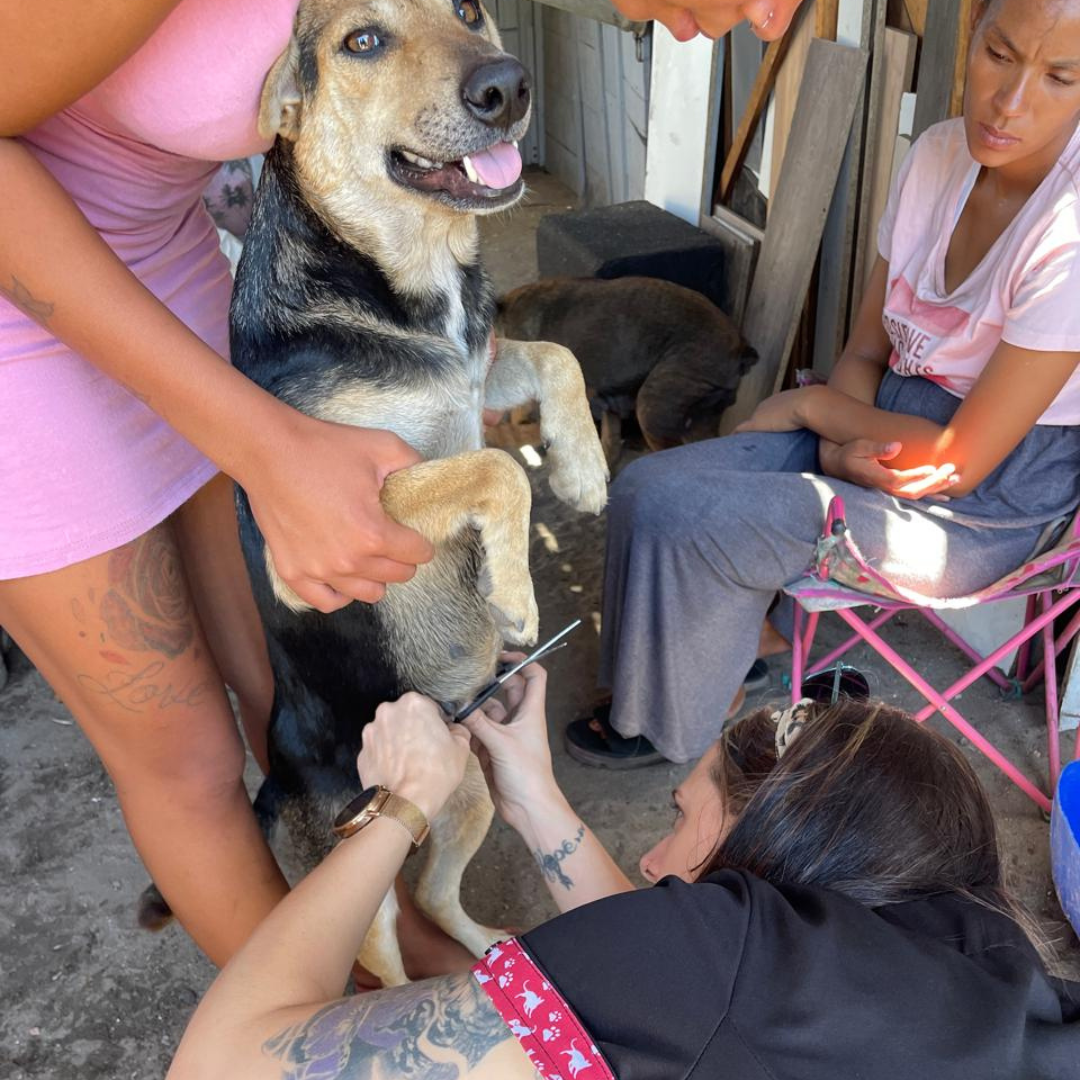
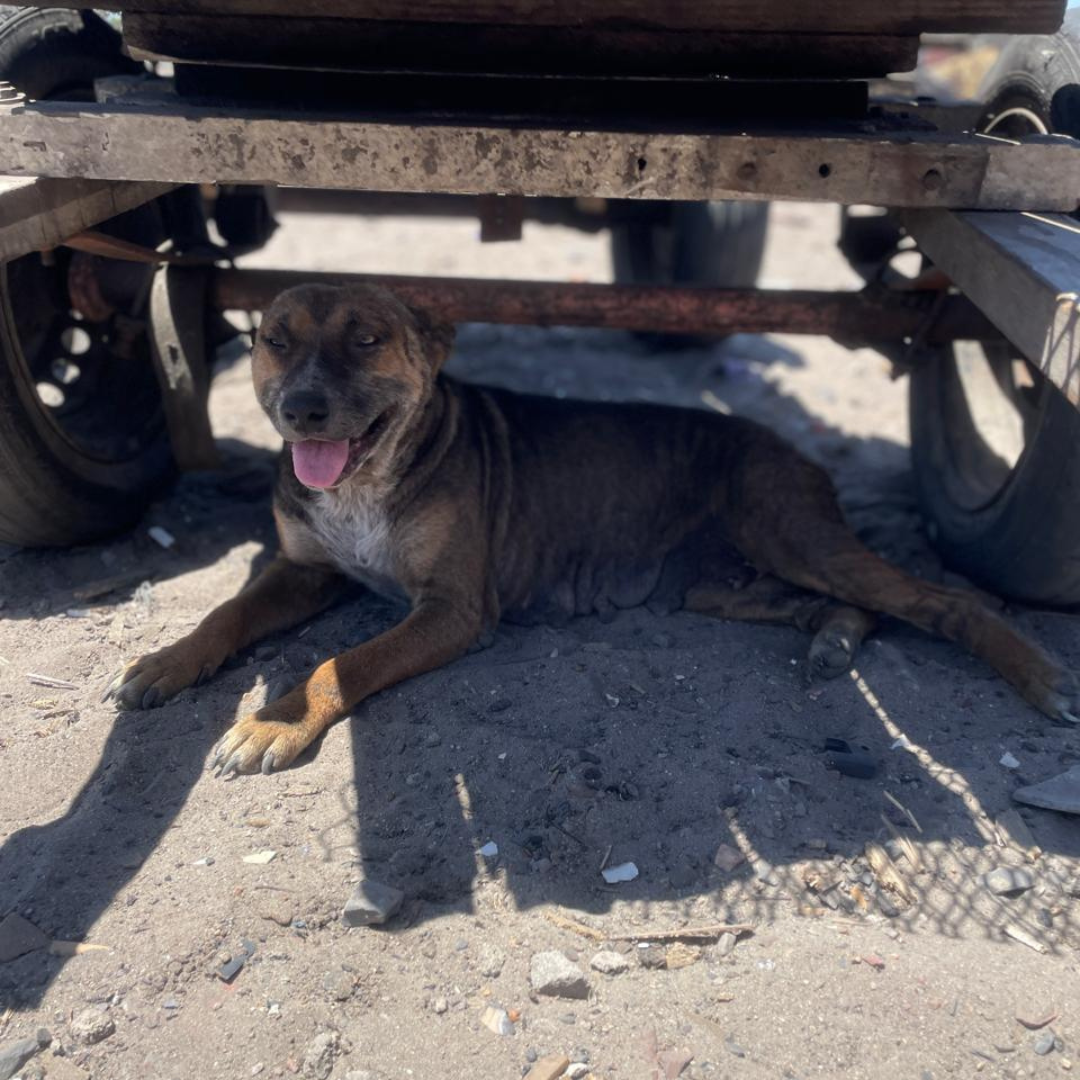
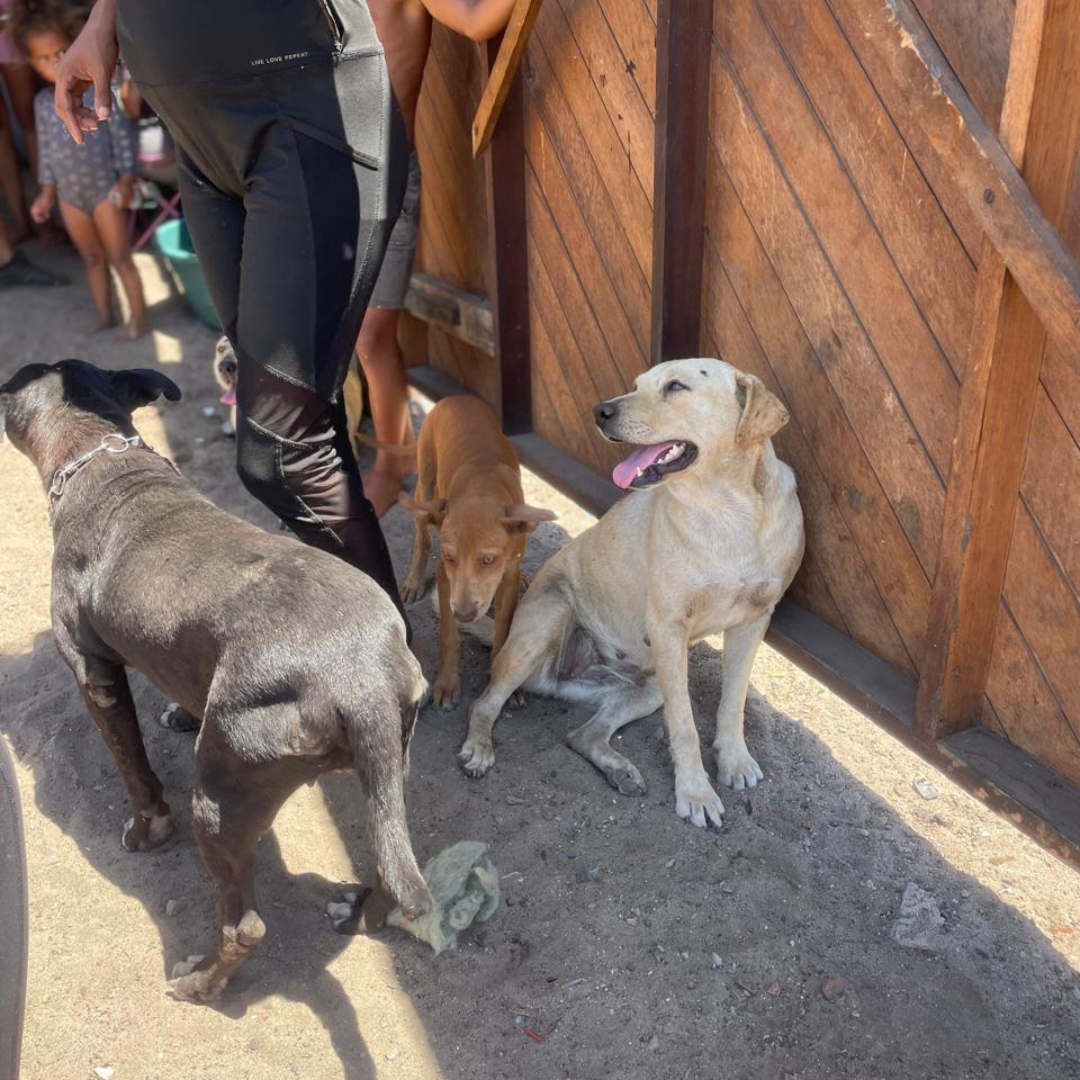
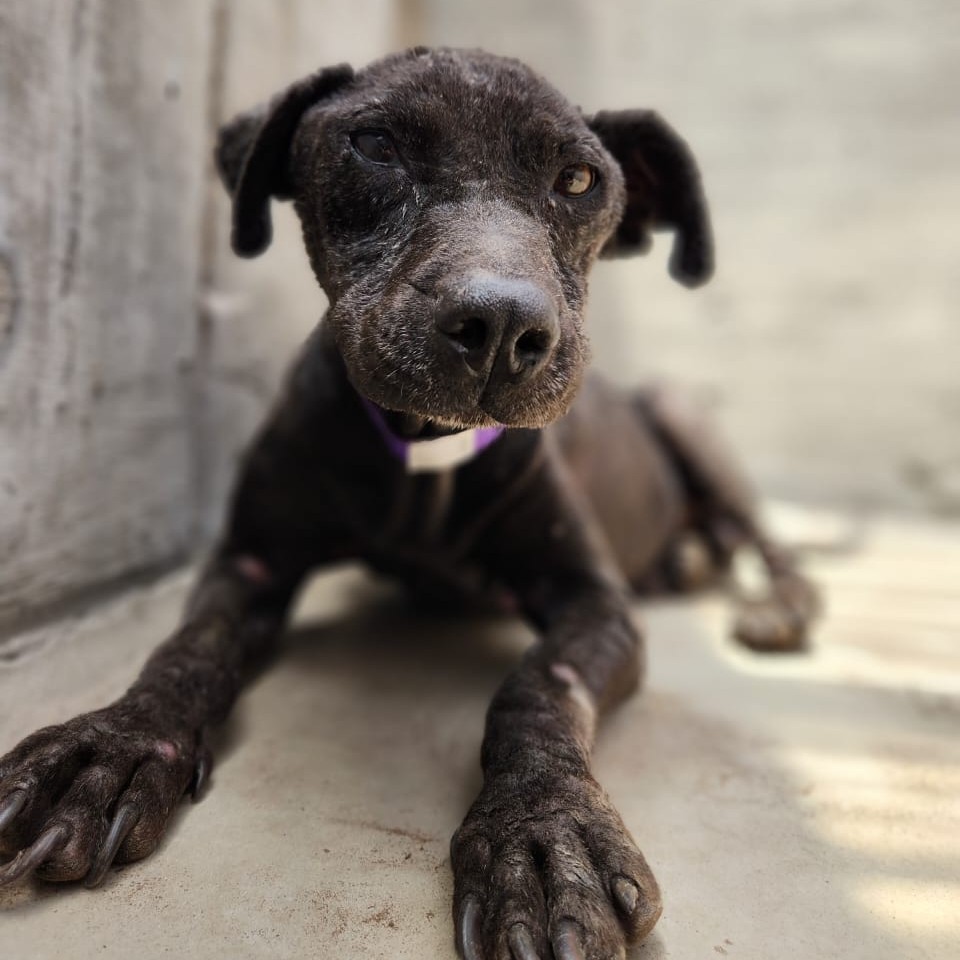
During one of our Mass Animal Sterilisation Project (MASP) days in Ravensmead last year, one of our team members, Lunga, noticed something that stopped him in his tracks. On his daily route past Freedom Farm in Matroosfontein (near the airport), he saw large numbers of dogs visibly suffering from severe mange.
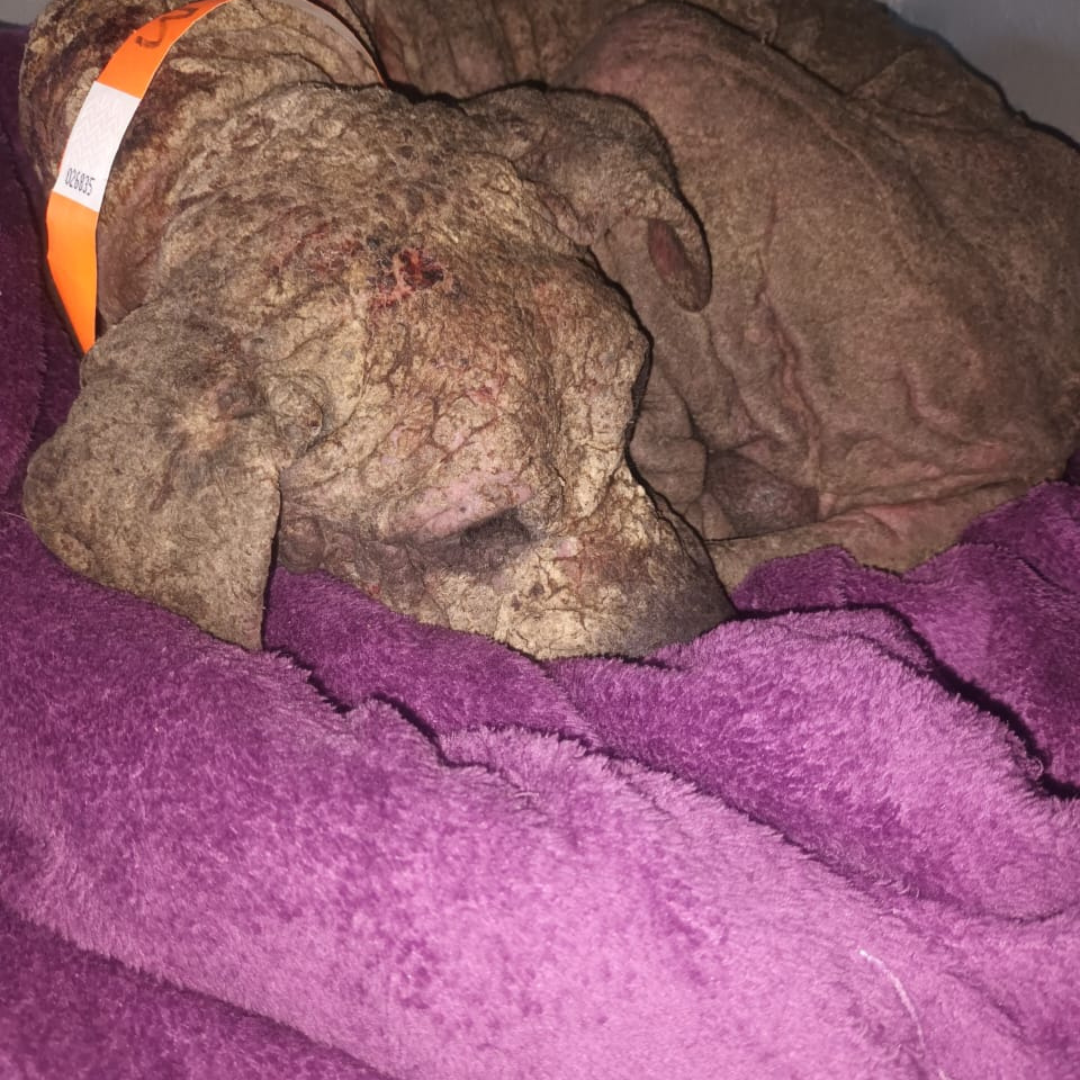
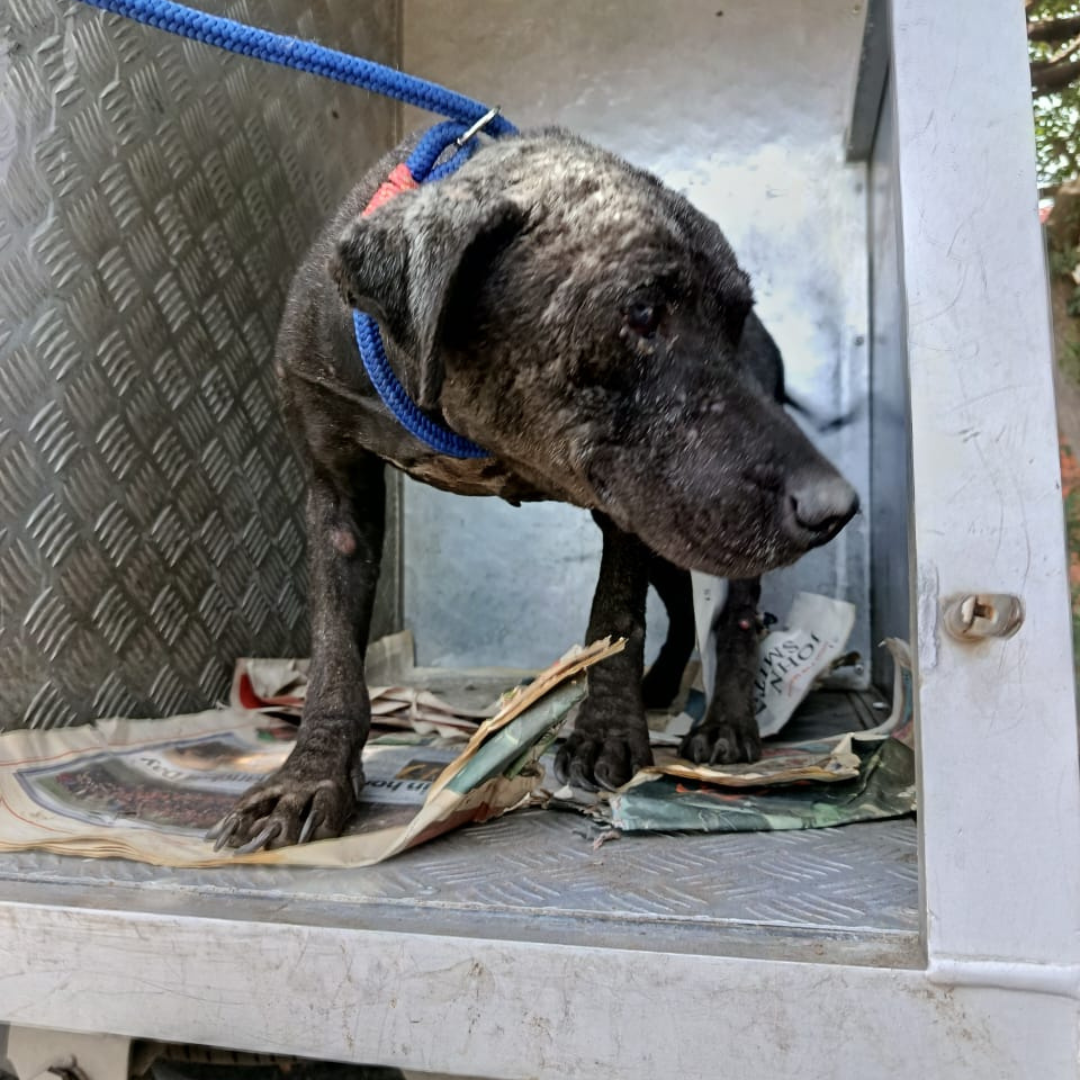
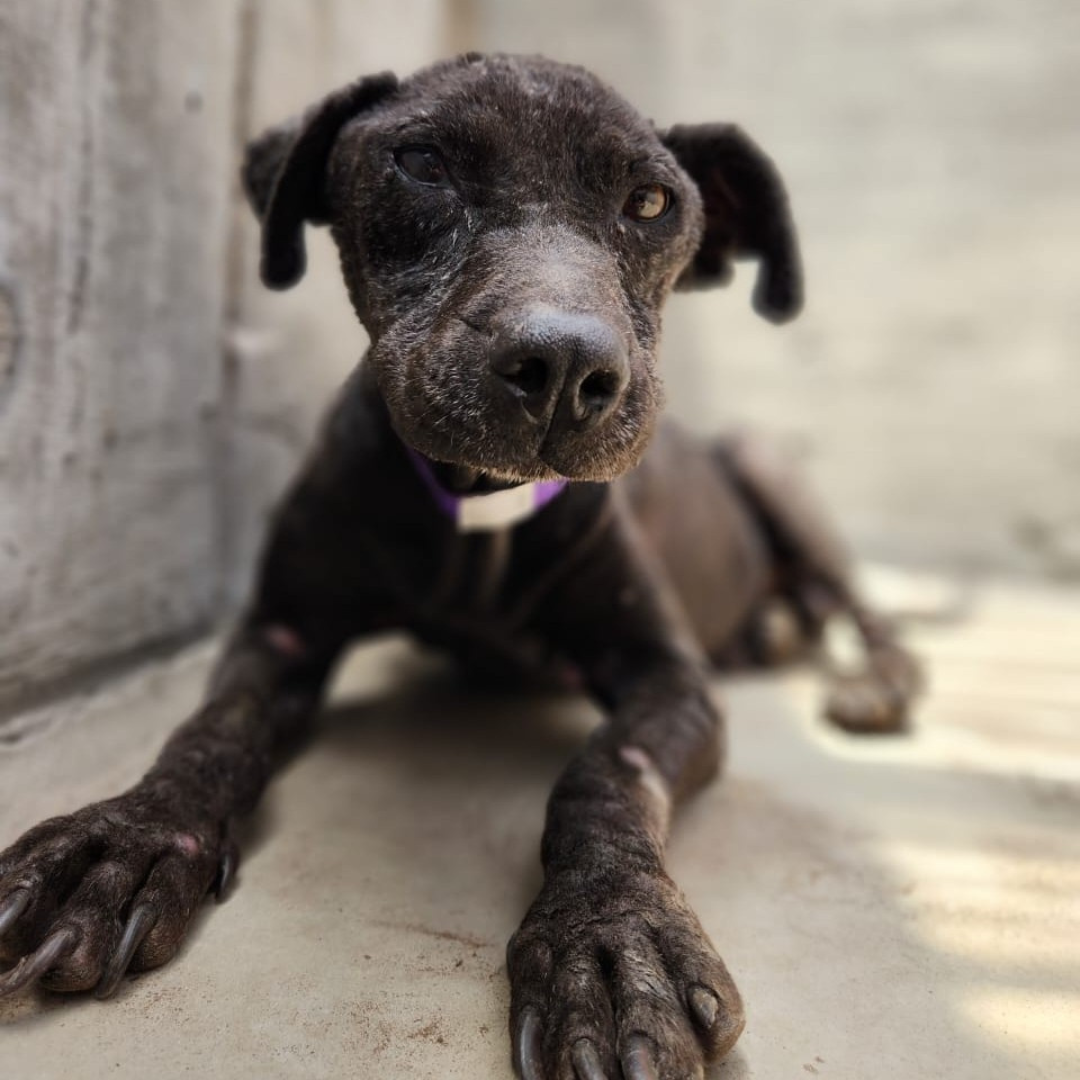
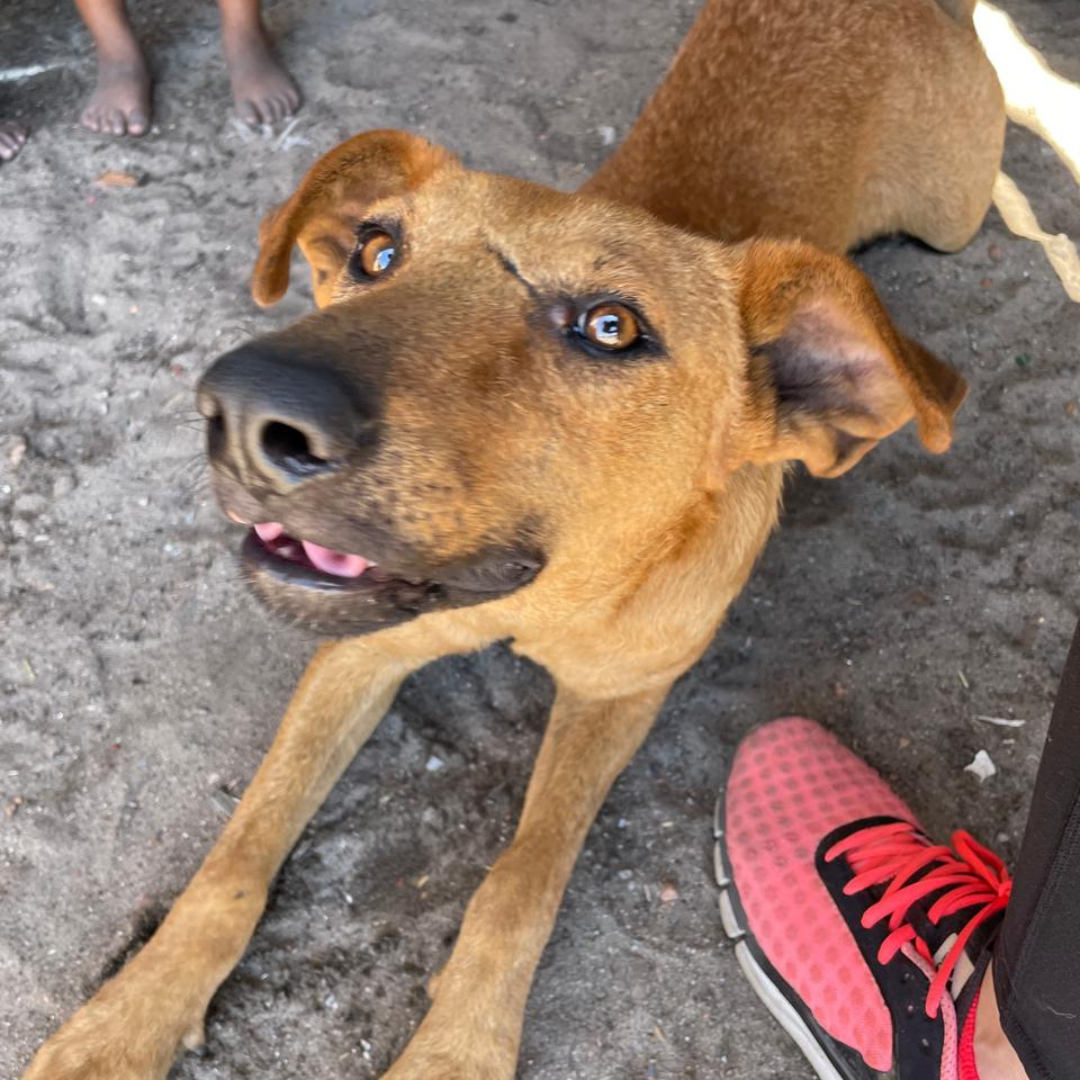
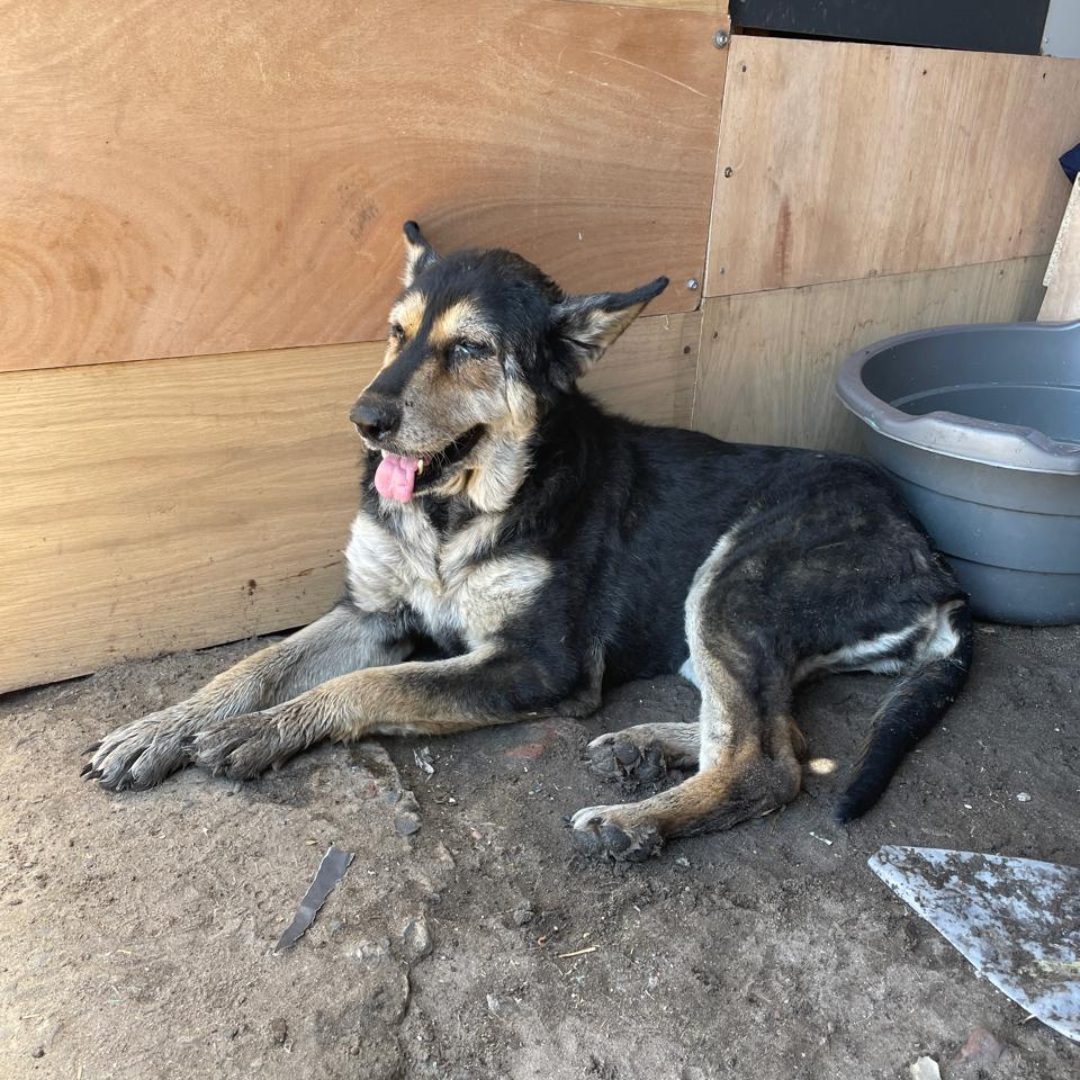
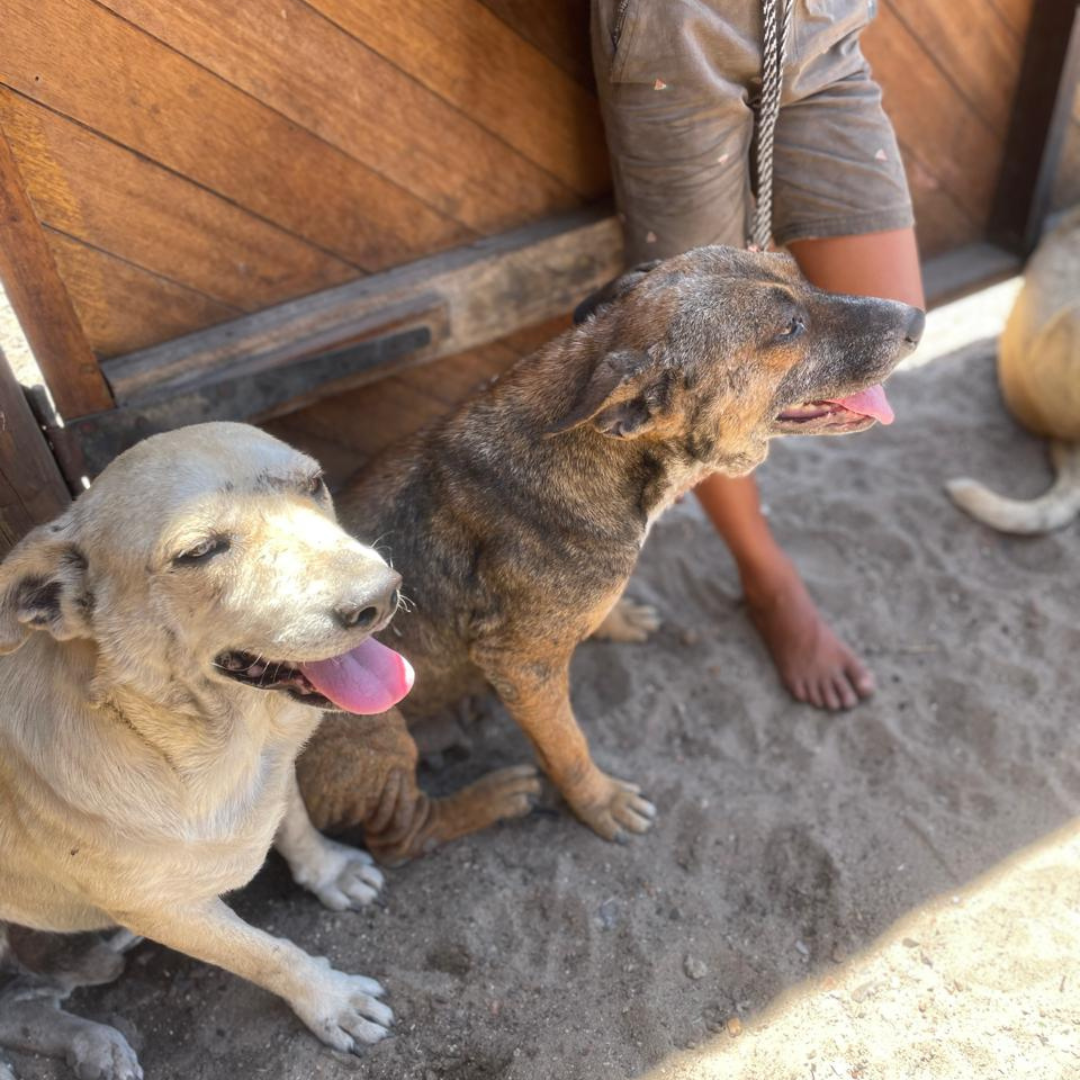
When our team visited the area, the situation was heartbreaking. Mange was widespread, and five dogs at one particular home were in especially critical condition.
Approaching the household wasn’t easy. While some family members were open to help, others were hesitant due to past experiences and a deep fear that if their dogs left with animal welfare organisations, they would never be returned. Trust had been broken before.
Instead of walking away, our Hospital Manager, Melissa, chose patience and compassion.
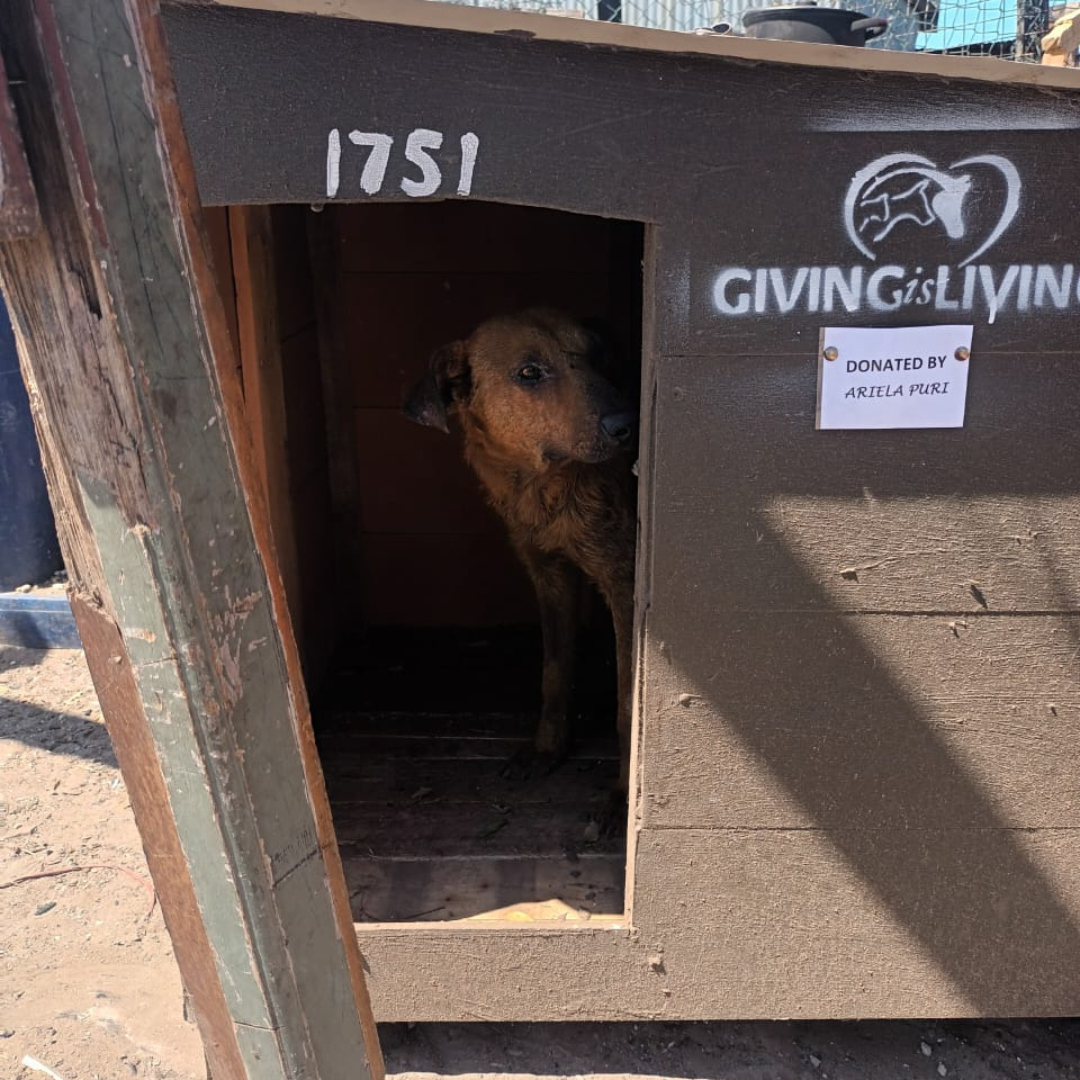
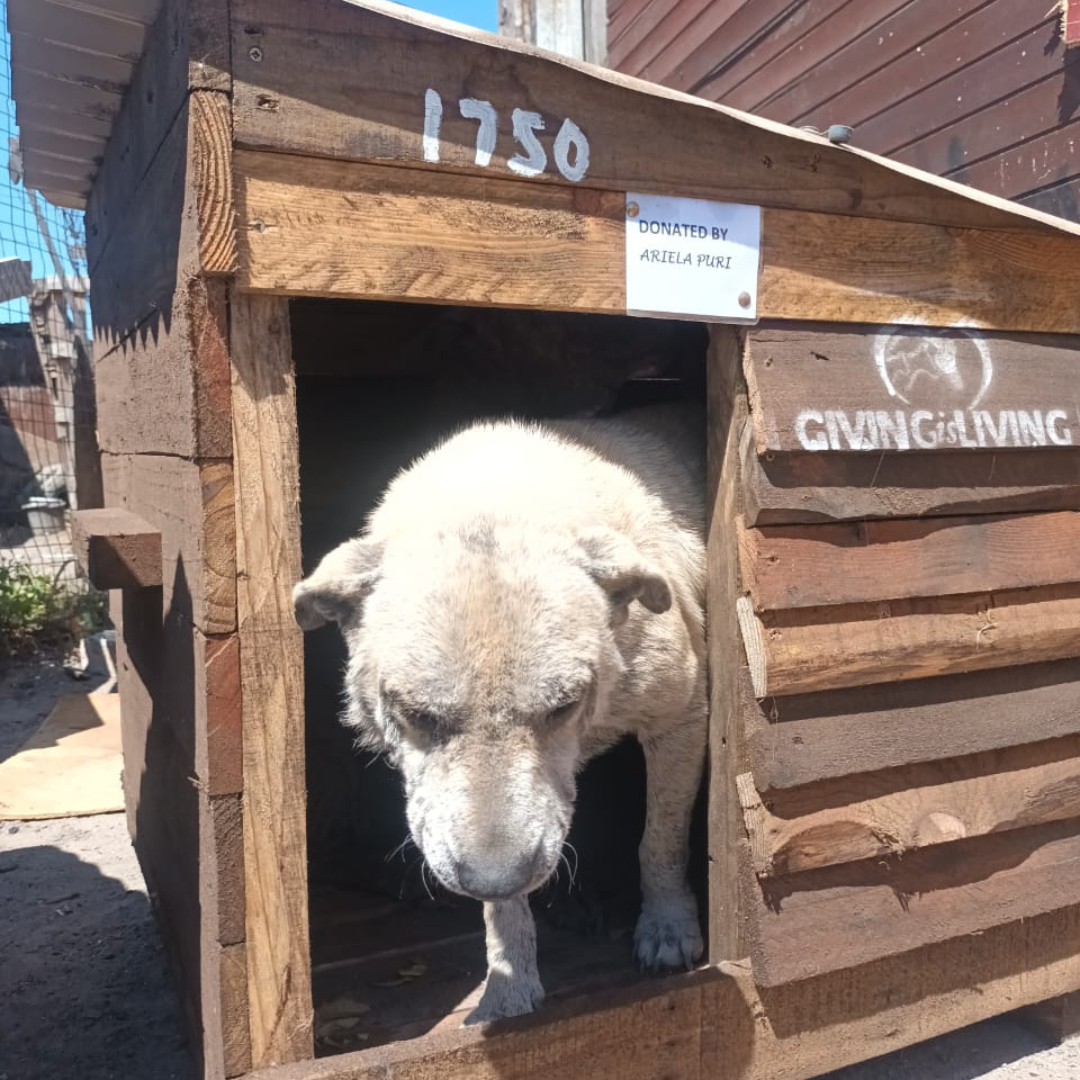
By building a relationship with the family and listening to their concerns, we were eventually able to take in the three dogs in the worst condition for treatment, returning for the other two later. After receiving care, the dogs were returned home with new kennels and food, reinforcing our promise: we were there to support, not to take their beloved pets away.
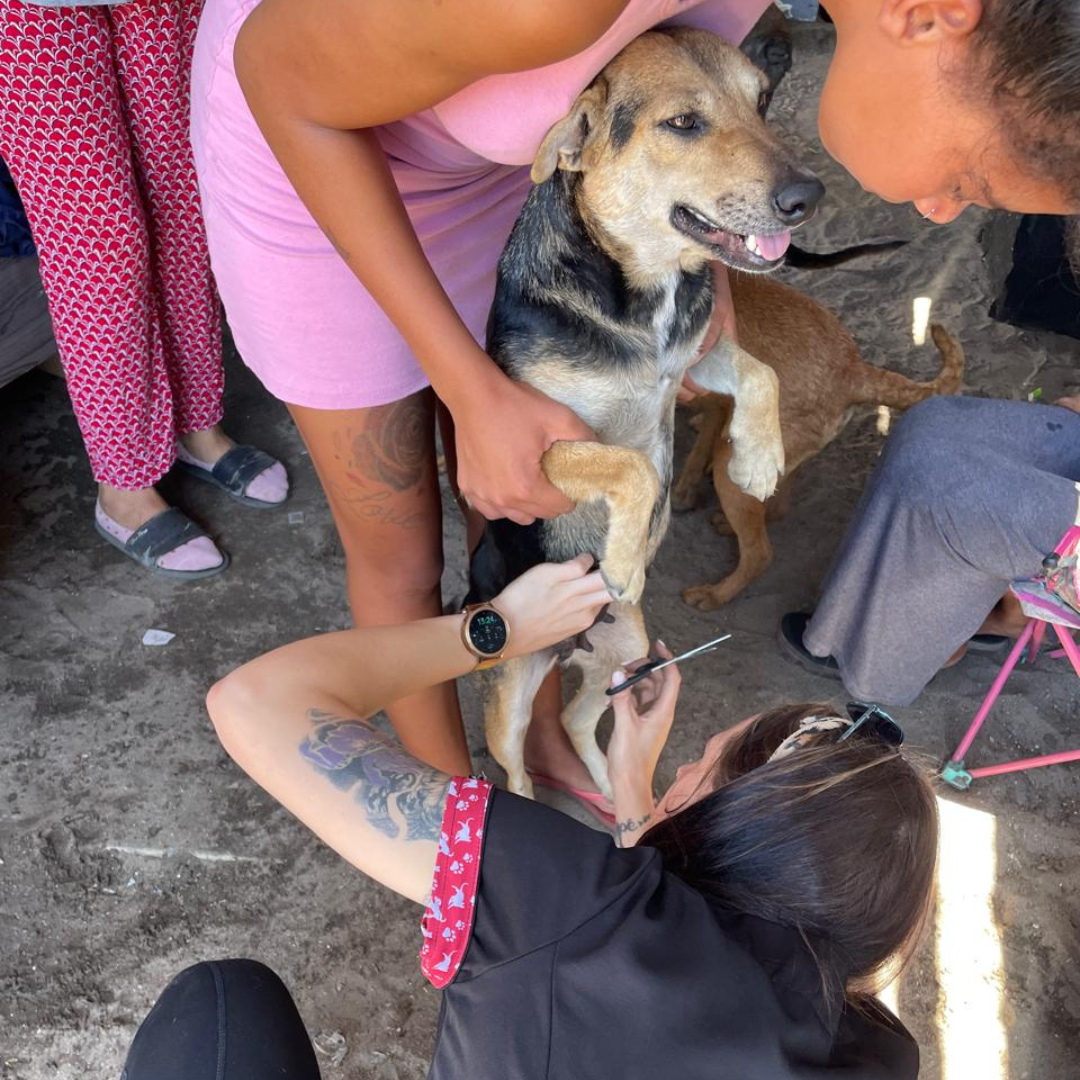
Treatment included Ivermec, NexGard and Bravecto, F10 baths and vaccinations. Because the environment is heavily contaminated with mites, ongoing follow-ups and repeat treatments will be essential. For this reason, we have now chosen Freedom Farm as one of ARO’s new Mobile Clinic locations, ensuring continued access to care.
In a powerful reminder of just how serious mange can be, four ARO staff members contracted mange while treating these animals – yet the team continued, committed to helping every animal in need.
The transformation since then has been incredible.
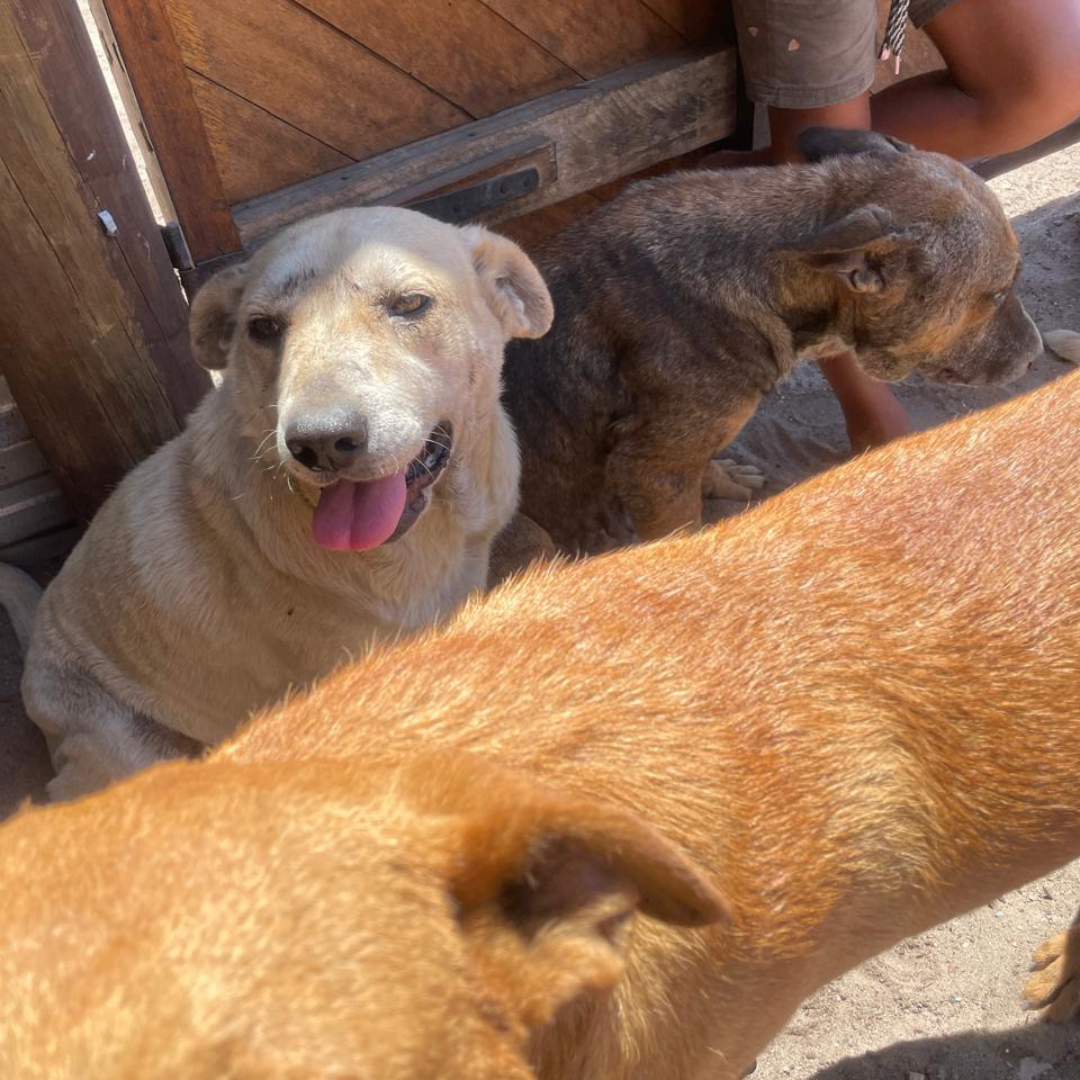
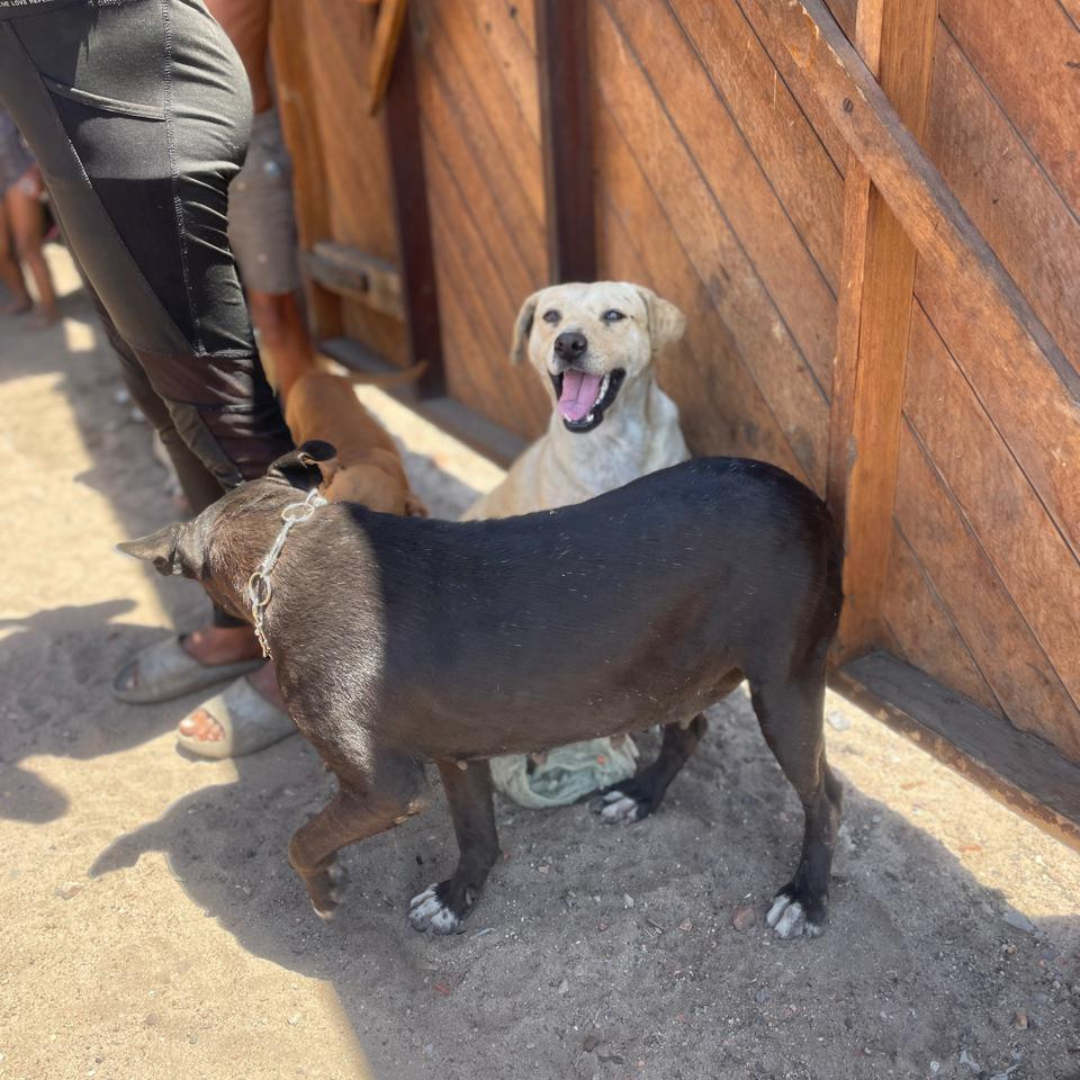
The owners have learnt more about animal care, cleared and improved their space, and created a dedicated area where all the dogs’ kennels are neatly set up together. Most importantly, their dogs are healing.
It’s easy to ask how animals can ever reach such a state. But we understand the reality of disempowerment, poverty, and generations of limited access to education and veterinary care. Many communities have never been shown another way. Lack of knowledge is not the same as lack of love.
Some may feel euthanasia would have been the kinder option. But we are grateful we chose to take the risk — because we now see that these owners truly care about their animals. They simply needed help, education, and someone willing to walk alongside them.
By keeping our word and respecting their trust, something even bigger has happened: other families in the community are now open to using our services too. One household’s journey has become the first step toward wider change.
This is what sustainable animal welfare looks like.
This is what ARO stands for.